
Body + Mind is reader-supported. We may earn an affiliate commission when you buy through some of the links on our site.
Some days call for a hard run. Others call for something gentler. Active recovery for athletes fills that gap by using easy movement rather than a full rest day to help your body bounce back. Walking, swimming and a slow flow on the mat all count. You get to choose the method that fits your schedule and your body’s current needs.
Rest days used to mean total stillness, feet up, nothing more strenuous than reaching for a snack. That idea is shifting, though. Active recovery for athletes means swapping that full stop for light, low-intensity movement instead, the kind that keeps blood flowing to tired muscles without adding real strain. Instead of collapsing on the couch after a hard training session, you might take a slow walk around the block or ease into a gentle swim. The goal is to recover through movement, not sitting completely still.
That small shift can leave your legs feeling looser the next morning than a day of total rest usually does. Soreness still shows up after a tough session. That part is normal, but light movement the day after can help work through some of that lightness rather than letting it sit. Think of it as giving your muscles a gentle nudge rather than a hard reset.
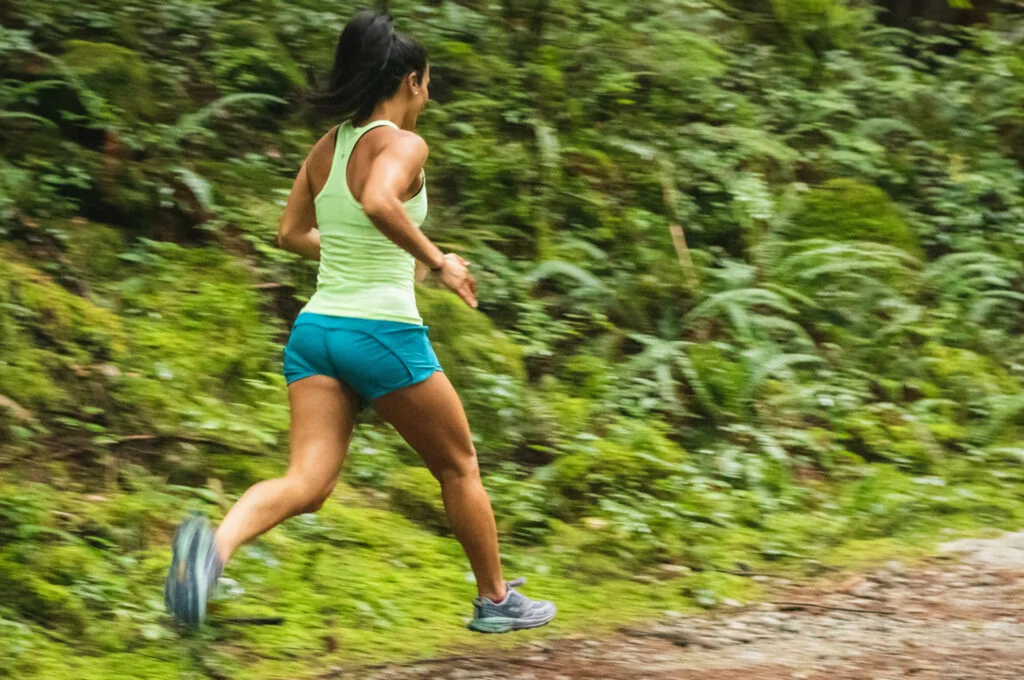
Picture a runner who logs a hard tempo session on a Tuesday. On Wednesday, instead of parking on the couch, she laces up for a slow, easy jog around the neighborhood, keeping her pace well below race effort and her breathing conversational the whole way. That small shift reflects what recent research keeps finding. A study on interval training found active recovery sessions benefit both trained and untrained exercisers, without adding extra fatigue on top of a hard week.
Sleep plays a role here, too and it works alongside movement rather than instead of it. A study on sleep intervention research found that sleep extension and daytime naps produced some of the strongest recovery gains for athletes. Combine the two, easy movement paired with solid sleep and your body gets a real shot at coming back stronger instead of just sitting idle between hard sessions. Neither one replaces the other and skipping both tends to catch up with you by the end of a training block.
A few solid options work for almost any training schedule instead of one go-to routine that might not fit your body or your week:
Rotating through a few of these instead of repeating the same one every time keeps your recovery for athletes routine from feeling like a core and it gives different muscle groups their own kind of attention. Pay attention to which ones leave you feeling loose the next day and lean toward those first.
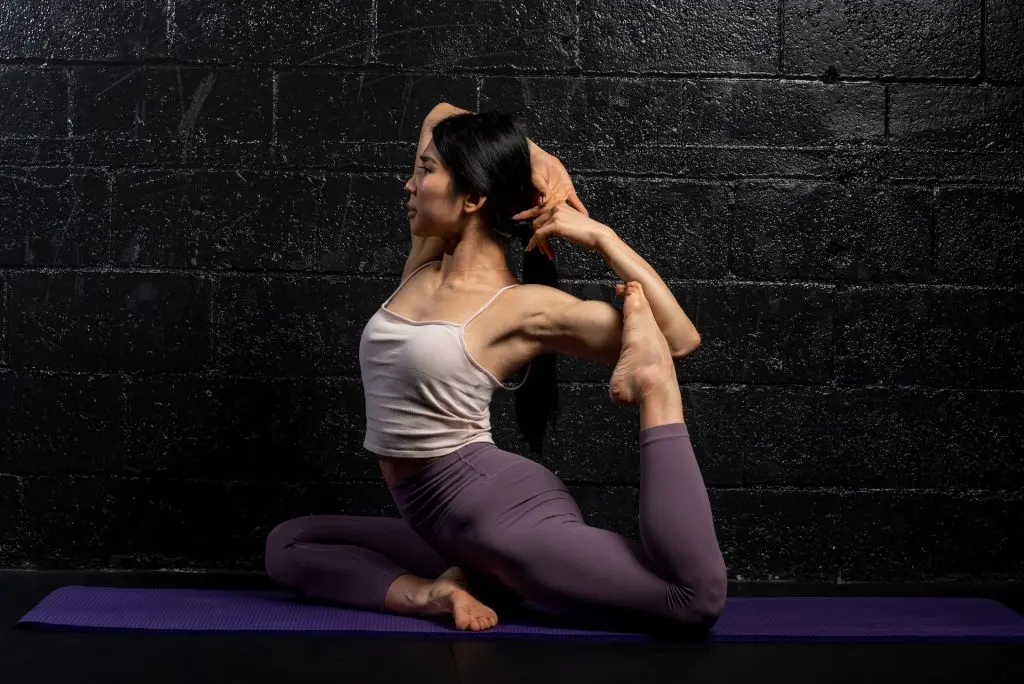
Yoga also deserves a spot on the list, especially on days when your legs need more mobility than mileage. One study on recovery methods for elite winter sport athletes found mobility-focused work was one useful tool for managing muscle fatigue and injury risk between training blocks.
“Yoga may not be a guarantee against injury, but it is a powerful tool for developing better movement quality and a body and mind that feel strong and support longevity,” says Cağla Giray, Ph.D., a movement and mindfulness educator, researcher and founder of Su + Soul. This flow collective helps people find their flow through movement, mindfulness and community.
At Su + Soul, that philosophy plays out in classes built around slow, controlled movement rather than pushing for a deeper stretch at any cost. That same approach translates well to a post-training rest day, when your body needs to move without being pushed past its limits. Even fifteen minutes of slow, breath-led stretching can leave your hips and shoulders feeling more open than they did going in.
Say you’re eight weeks into training for a half-marathon. Your calendar probably already has hard runs and one long run built in. Active recovery fits into the gaps around those, not instead of them. After Saturday’s long run, Sunday might call for an easy walk or a light swim rather than total stillness. Midweek, following a speed session, a slow bike ride or a short yoga flow can help your legs recover without adding fatigue on top of an already demanding week.
Massage fits into that same rhythm. One breakdown of massage as a rest-day recovery tool suggests combining massage with foam rolling and easy movement to keep muscles pliable and joints mobile between hard sessions. Many college and club training programs already build a version of this into their weekly schedule, treating easy Monday and Friday sessions as recovery days sandwiched around the harder midweek work.
Building a rhythm like this over a full training block matters more than any single session does and it gives you room to adjust week to week based on how your body actually feels rather than sticking to a rigid plan.
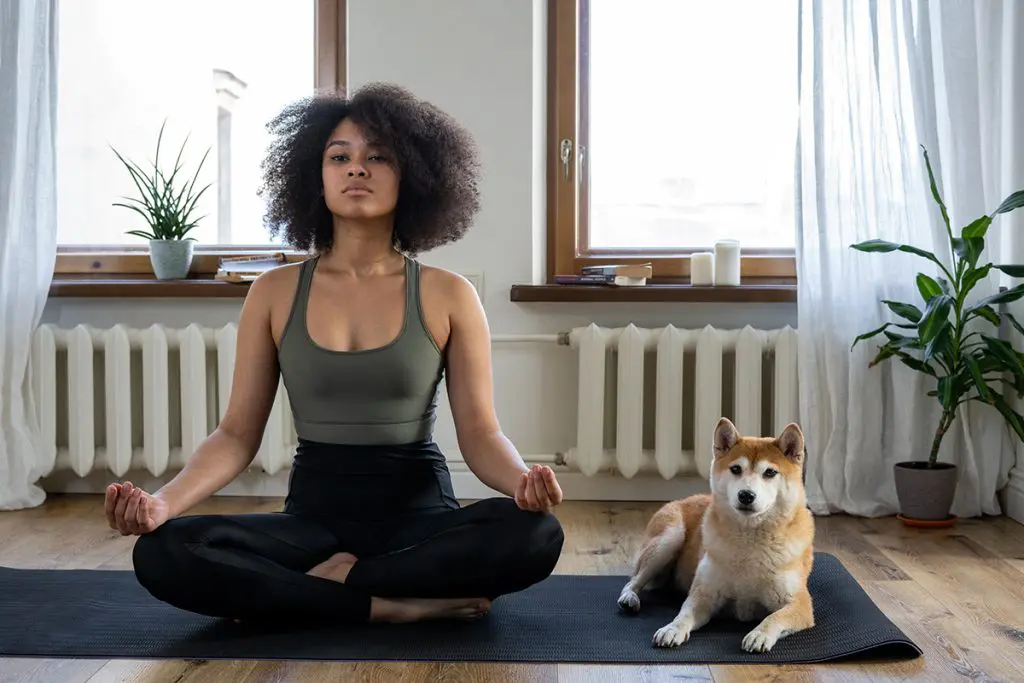
Recovery does not have to mean total stillness. A short walk, an easy swim or a slow yoga flow all count as real recovery for athletes, not shortcuts around it. Pay attention to how your body feels after a hard session, then pick the movement that matches. Over a full training block, those small choices add up, helping you show up to your next hard workout feeling ready rather than drained.
Your email address will only be used to send you our newsletter, and at any time you may unsubscribe. For more information, see our Privacy Policy.
