


Body + Mind is reader-supported. We may earn an affiliate commission when you buy through some of the links on our site.
Nutritional psychiatry is an emerging field that explores the connection between what we eat and how we feel, mentally and emotionally. It is not a replacement for therapy or traditional mental health treatment, but it is a powerful tool for self-help.
Just as your diet impacts your physical health, it also has a profound effect on brain function, mood regulation and cognitive clarity. By understanding the interactions between food and the brain, nutritional psychiatrists are able to make dietary recommendations to improve mental and emotional well-being.
There are three key reasons why food is inextricably linked to mental health:
The gut and brain have a complex pathway of interaction. It works via the vagus nerve and hormones and molecules released by the gut into the bloodstream. Additionally, neurons are not only found in your brain — there are 100 million neurons lining your gut, giving it the nickname of “the second brain”.
Although this gut-brain axis has been known for decades, the implications of it are still being explored. New discoveries are emerging all the time.
For instance, until recently, the brain fog and cognitive impairments of long COVID were poorly understood, as the virus does not breach the blood-brain barrier. In 2023, scientists discovered that post-viral inflammation in the gut was inhibiting the gut’s ability to produce serotonin. This key chemical messenger affects both happiness and cognition.
Low serotonin levels hampered vagus nerve communication with the brain. The study found that this directly disrupted memory and learning. What seemed to be a brain problem in fact originated in the gut and was disrupted by the virus’s effects on the digestive system.
Certain foods can either provoke or calm inflammation — and chronic inflammation is firmly linked to numerous serious physical and mental health issues. A recent study found that the typical high-fat, high-sugar Western diet, which is known to cause inflammation, increases the risk of developing major depressive disorder — proving that what you eat can directly impact your mood and your long-term emotional wellness.
The building blocks for important “feel-good” chemical messengers, like serotonin and dopamine, come from your diet. If you don’t eat enough of the relevant types of food, your body will not be able to synthesize enough of these messengers.
Many foods fit the bill for producing these complex neurotransmitters — and it’s not all vegetables! For example, chocolate contains the amino acid tryptophan, which the body uses to produce serotonin. It also contains phenylethylamine, a brain chemical linked to feelings of love.
Having understood why and how food impacts the brain, the next step is to know which foods have a positive effect. An overall balanced diet is the most important thing, but within that, some types of nutrients stand out.
| Nutrient | How It Helps the Brain | Sources |
| Omega-3 Fatty Acids | It is the most abundant fatty acid in the brain, and is vital for brain cell structure and for reducing inflammation. | Fatty fish, such as salmon and mackerel, walnuts, flaxseeds, chia seeds |
| B-Vitamins | Important for energy production and the synthesis of neurotransmitters. Deficiency is linked to low mood, especially in vitamins B12, folate (B9) and B6. | Leafy greens, eggs, legumes, lean meat |
| Magnesium | Regulates the production of cortisol — the stress hormone and modulates the body’s stress responses. | Leafy greens, legumes, nuts, seeds, whole grains |
| Zinc | Elevates levels of brain-derived neurotrophic factor, which regulates emotions. Deficiency has been linked to anxiety and depression. | Shellfish, meat, poultry, legumes, pumpkin seeds, eggs, dairy products |
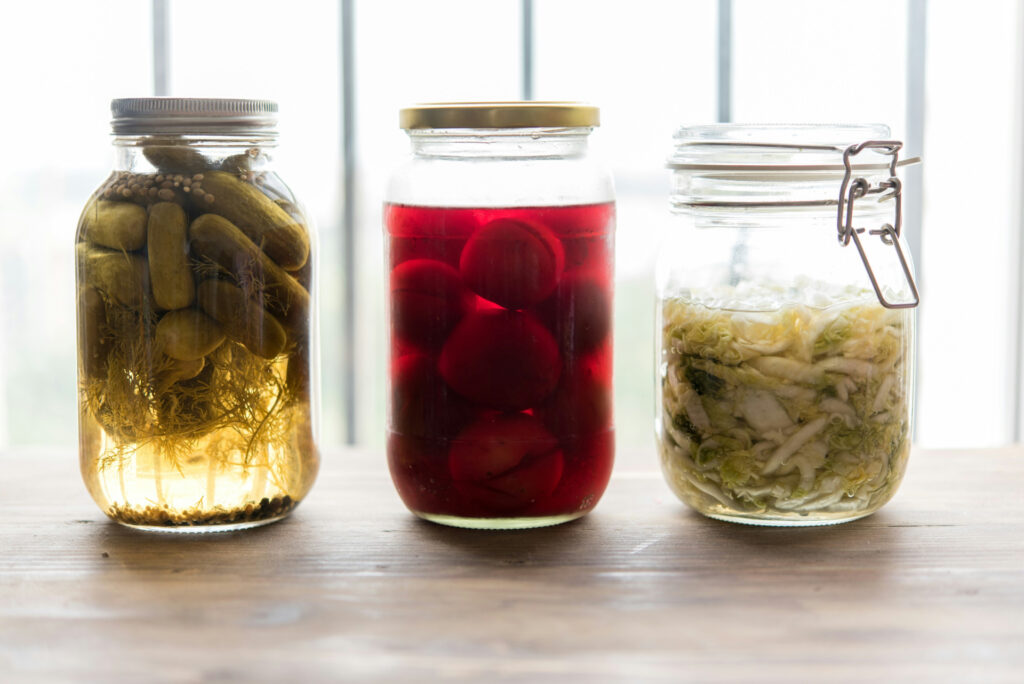
| Prebiotics and Probiotics | Foods rich in these, such as fermented foods, have been shown to reduce inflammation. Some probiotic bacteria produce serotonin directly in the gut, while others increase the availability of tryptophan. | Yogurt, kefir, kimchi, garlic, onions, bananas, oats |
A good diet can support stable blood sugar and help with hormonal balance — crucial for mood regulation during the menstrual cycle and perimenopause. Proteins and healthy fats are important for hormone balance. A Mediterranean-style diet is especially good for managing healthy estrogen levels and lowering the cancer risk associated with high estrogen.
Nutrient-dense foods can also help to manage stress and energy levels. For example, foods that help reduce cortisol can make you feel more relaxed. Sustained energy release from these foods also helps the body cope better with stress, preventing the crash that comes from processed foods and sugar.
Eating for mental health benefits doesn’t have to be complex. You will have noticed that many of the recommendations are similar to what is recommended for overall heart and brain health. Some easy ways to get started include:

Nutritional psychiatry can be a powerful ally in your wellness toolkit. If you live with a mental health condition, it cannot replace your doctor’s prescribed treatment or medication. However, it can help you feel better, faster. By making food choices with the gut-brain axis in mind, you can improve your mood, sharpen your cognition and reach a better emotional equilibrium. It all starts with your next meal — are you ready?

Your email address will only be used to send you our newsletter, and at any time you may unsubscribe. For more information, see our Privacy Policy.
