


Body + Mind is reader-supported. We may earn an affiliate commission when you buy through some of the links on our site.
Type 1 diabetes (T1D) is an autoimmune condition, leading to high blood sugar levels. Debunking myths about T1D helps to raise awareness and understanding, as these misconceptions can hinder proper management and care. By understanding the realities of this condition, you’ll be able to lead a healthier, more informed life with T1D. The following T1D myths are among the most commonly believed and need debunking.
Strangely enough, it wasn’t your sweet tooth that caused your immune system to turn against itself. T1D is fundamentally an autoimmune disorder in which the immune system attacks insulin-producing beta cells in the pancreas, severely disrupting blood sugar regulation.
The misconception that sugar consumption leads to T1D can perpetuate stigma and misunderstanding, with the condition developing at any age and not preventable through dietary changes. Recognizing the true nature of T1D is essential for appropriate management and support after diagnosis.
Contrary to popular belief, you can receive a T1D diagnosis at any age, not only during your childhood. Granted, it occurs most often in children, adolescents and young adults, but you could be a spry octogenarian and still receive a T1D diagnosis.
A significant number of adults get diagnosed with this autoimmune disorder. The misconception that T1D is a youthful condition can hinder understanding and support for those receiving later-life diagnoses. Guess what? T1D doesn’t discriminate based on age, so proper awareness and education are crucial for fostering a supportive environment for people of all ages.
As much as you might wish for a magic diet plan or exercise regimen, T1D requires insulin, not low-carb meals or a 5-mile run. There is currently no T1D cure and lifestyle changes alone will not reverse the autoimmune condition.
T1D patients must manage their blood sugar levels with insulin therapy for life, as their bodies no longer produce natural insulin. While healthy eating and exercise are essential components of overall wellness and will help to control diabetic effects, you cannot replace the need for insulin in your T1D management. Ongoing research is exploring potential cures, but as things stand, medical intervention is the only guarantee of effective management.

While insulin keeps your engine running, it doesn’t fix the broken part. It plays a vital role in treating T1D, but it is not a cure for the condition. Because of its autoimmune status, you’ll require daily injections or use of an insulin pump to regulate your blood sugar levels for life, or until a cure becomes known.
Insulin means you can live a healthier life with T1D. Still, it won’t restore your pancreas’s ability to produce its own, so effective management involves a combination of insulin therapy, regular monitoring and lifestyle adjustments. As researchers continue to seek an actual cure, insulin remains an essential treatment for the lifelong management of T1D.
Insulin pumps and Continuous Glucose Monitors (CGMs) are valuable tools in managing T1D, but they can’t do all the work. It isn’t a “set-and-forget” scenario — your pump can’t read the room, you still have to.
While these technologies significantly assist with tracking blood sugar levels and delivering insulin, they need active monitoring and manual adjustments from the user. Effective diabetes management involves understanding how these tools function within your specific lifestyle and recognizing that only your personal input will maintain optimal results. Ongoing education and consistent self-management are essential to living well with T1D.
Contrary to popular belief, individuals with Type 1 diabetes (T1D) can enjoy sweets by carefully managing their carbohydrate intake and administering insulin as needed. While you should monitor your blood sugar levels and maintain a balanced diet, you can include small amounts of sugar as part of a healthy eating pattern.
So doughnuts aren’t off the table — just treat them like the luxurious delights they are. Incorporating sweets does require planning and understanding how these foods affect blood glucose, but it’s very possible to enjoy a wide variety of foods with T1D. However, it’s best to consult a health care professional for personalized dietary advice beforehand.
Type 2 diabetes (T2D) and T1D are totally different conditions, despite having some similarities. Whereas T1D is an autoimmune disorder leading to an absolute lack of insulin production, T2D is a direct result of insulin resistance, where your body produces insulin but cannot use it effectively.
This key distinction affects treatment strategies and management. Where sugar can play a primary role in developing T2D, it offers none in T1D. Comparing T1D to T2D is like comparing strawberries to smartphones — both start with the same letter but are totally different. Understanding these differences is critical for effective diabetic management and care.
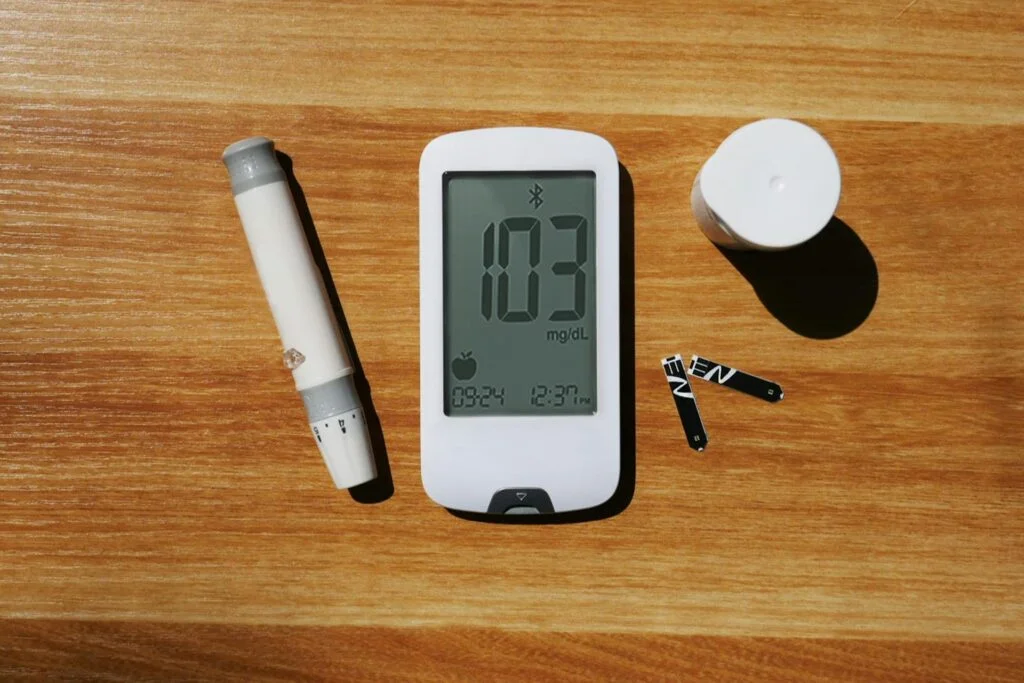
It’s a common misconception that blood sugar fluctuations indicate poor T1D management. In reality, many factors can cause these changes, including stress, hormone imbalances and illness. Even the best professional sportspeople can have off days for various reasons — similarly, factors like stress and hormones matter in diabetic management.
Such fluctuations are a regular part of living with T1D and don’t always reflect the care or effort you put into maintaining a stable condition. Understanding and responding to glucagon, incretins, adrenal hormones and sex hormones, along with regular monitoring and treatment adjustments, are part of awareness and education about the various influences on blood sugar that can help you better manage your T1D.
Debunking the myths surrounding T1D fosters a deeper understanding of the condition and its management. Working with accurate information can empower you and your family to navigate the complexities of T1D more effectively, improving your health outcomes. By seeking reliable resources and consulting health care professionals, you can learn how to manage your diabetes with confidence as awareness and education pave the way for better self-care. There’s every reason you can lead a fulfilling life despite the additional challenges of T1D.

Your email address will only be used to send you our newsletter, and at any time you may unsubscribe. For more information, see our Privacy Policy.
