
Body + Mind is reader-supported. We may earn an affiliate commission when you buy through some of the links on our site.
Bloating is one of the most common symptoms surrounding the menstrual cycle, and food choices can sometimes make that uncomfortable, full feeling worse. Cheese can be particularly confusing because some varieties are naturally lower in lactose, while others contain more lactose or are easier to overeat because of their rich, creamy texture. However, you don’t need to avoid cheese during PMS, as some types of cheese might not make you bloated. Choosing the right type can make it easier to enjoy dairy without adding unnecessary digestive discomfort.
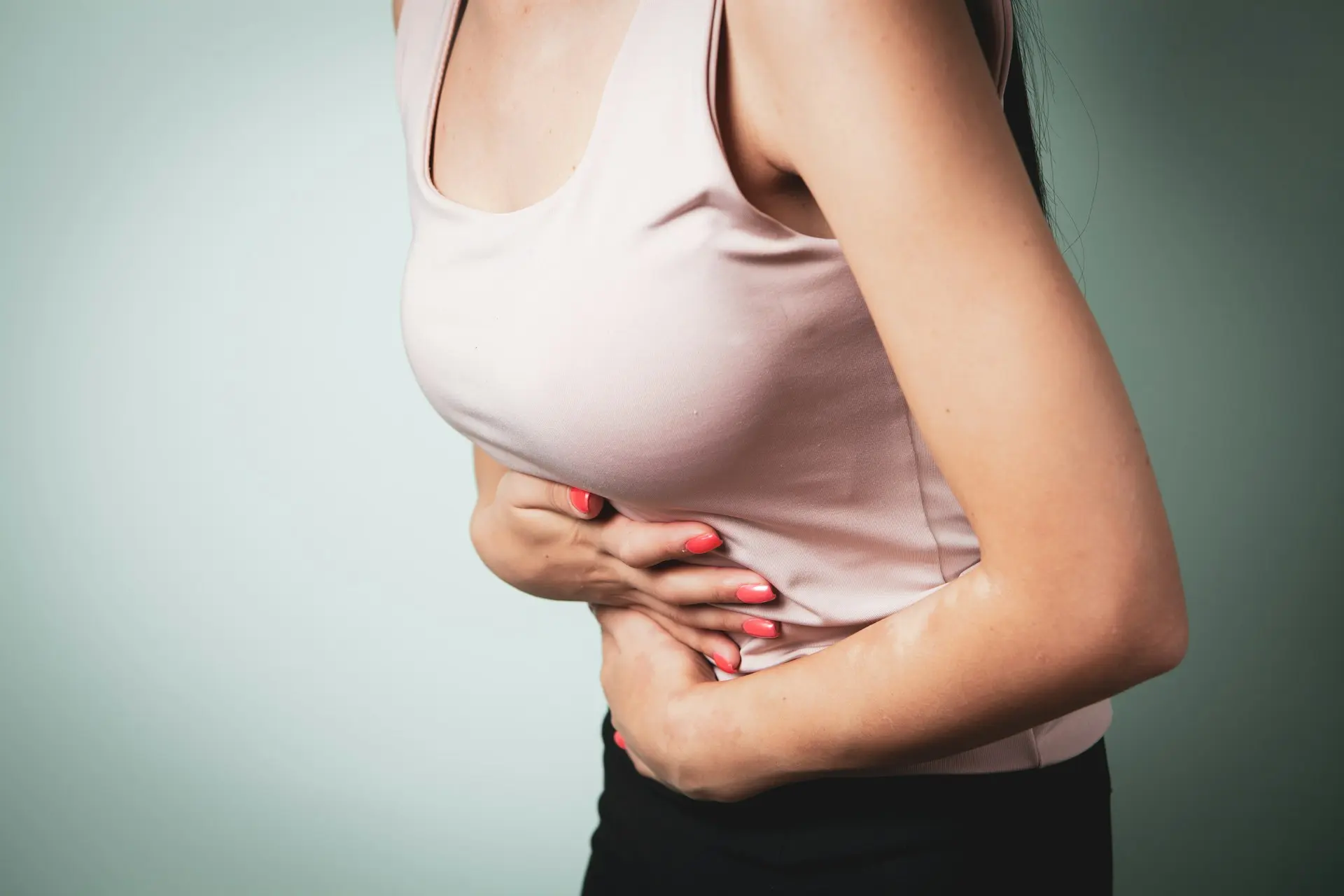
Hormonal fluctuations throughout the menstrual cycle can affect digestion and fluid balance. In the days before your period, changes in hormones such as progesterone and estrogen may contribute to water retention, constipation, changes in gut motility and that familiar feeling of abdominal fullness.
This means that even foods you normally tolerate well can sometimes feel different during PMS. A meal that would usually leave you feeling comfortable may suddenly make you feel heavier or more bloated.
Diet is only a small part of this. Staying hydrated, getting enough movement, managing constipation and eating regular meals can also help support smooth digestion throughout your cycle.

Not necessarily. Cheese itself isn’t inherently a bloating food, but certain varieties may be more likely to cause digestive symptoms depending on your individual tolerance. Lactose, the sugar found in milk, is an important factor. During cheese production, the bacteria used during fermentation can break down additional lactose, making it easier to digest. As a result, aged cheeses tend to contain considerably less lactose than fresh, soft cheeses.
Fat content can also matter. While higher-fat foods don’t necessarily cause gas, they may slow digestion, though this varies from person to person. Fatty meals can leave you feeling particularly full, especially when your digestive system is already more sluggish around your period.
Your overall meal also matters. For example, cheese eaten alongside a very salty meal may contribute to feeling puffy because sodium can encourage temporary water retention.
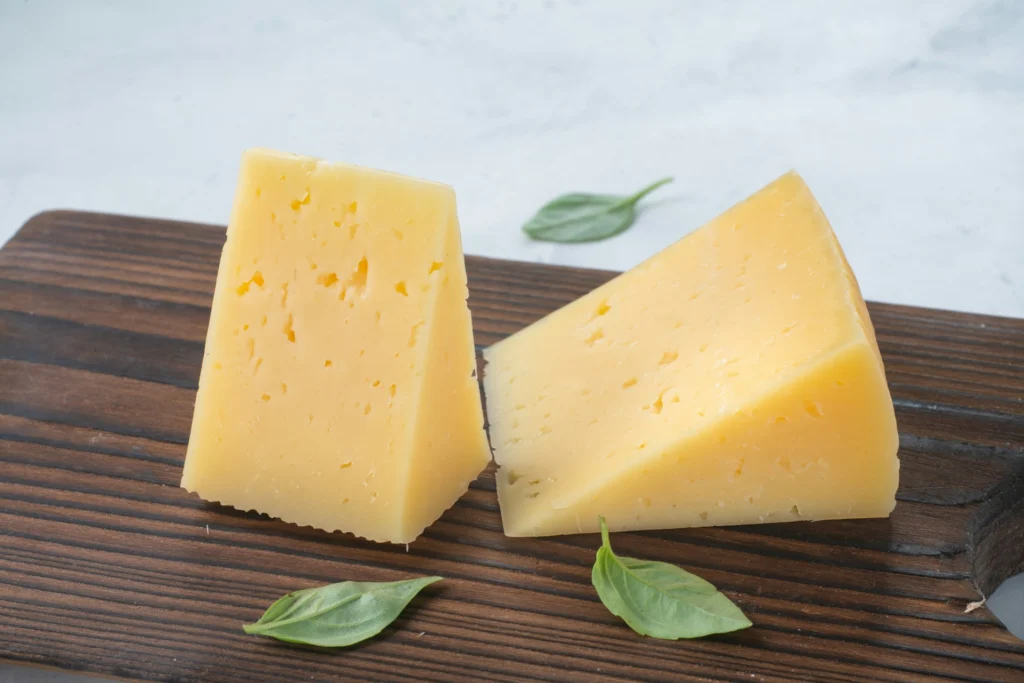
When bloating is your main concern, hard and aged cheeses are often the easier choice because they generally contain less lactose than fresh, soft varieties.
Hard and aged cheese examples include:
These cheeses typically undergo longer fermentation and aging, during which much of their lactose is removed or broken down. They’re also intensely flavored, so a relatively small amount can add plenty to a meal. That can be useful during PMS when you’re trying to keep portions comfortable without feeling like you’re missing out.
Fresh cheeses generally retain more lactose because they’ve undergone less aging. Examples include:
This doesn’t mean soft cheese will automatically make you bloated. Some people tolerate these cheeses perfectly well, while others notice more symptoms after eating them.
Brie and Camembert are slightly different from very fresh cheeses because they’re fermented and aged, but their lactose content can vary. Individual tolerance matters more than categorizing every soft cheese as “bad.”
If you’re wondering what cheese is least likely to cause bloating, aged, hard cheeses are generally a good place to start. Parmesan, mature cheddar, Swiss cheese, Gouda and other well-aged varieties tend to contain very little lactose compared with fresh cheeses.
However, there’s no single cheese that won’t make you bloated. Lactose intolerance, dairy sensitivity, portion size, fat intake and your existing digestive health can all influence how you respond.
If you regularly notice bloating after dairy, try keeping a simple food and symptom diary for a few cycles. You may find that a small serving of mature cheddar feels completely different from a larger serving of cottage cheese or cream cheese.
Fermentation is one reason cheese can be easier to digest than some other dairy products. During cheesemaking, microorganisms use lactose as a substrate in their fermentation process. The cheese is also separated from much of the liquid portion of milk, taking some of the lactose with it. With longer aging, even more lactose is typically broken down or removed.
This is why people who have difficulty digesting lactose can sometimes tolerate aged cheese better than milk. However, fermented doesn’t automatically mean lactose-free. Fresh fermented dairy products can still contain meaningful amounts of lactose, so the specific product and how much you eat matter.
Choosing a lower-lactose cheese is only part of the equation. How you eat it can make a difference, too.
Cheese is nutrient-dense and relatively rich, so you don’t need a large amount to make a meal satisfying. A modest portion of an intensely flavored aged cheese can provide plenty of taste without making your meal excessively heavy.
Try adding a small amount of cheese to meals containing vegetables, whole grains, legumes or fruit. Fiber supports regular bowel movements, which can be particularly useful if constipation tends to accompany your PMS.
If you’re suddenly increasing your fiber intake, do it gradually. A large increase can cause gas and bloating.
It’s normal to crave salty foods during your period, as they have mood-boosting properties. Some cheeses are naturally high in sodium. If you already experience noticeable water retention before your period, eating large amounts of salty cheese alongside other high-sodium foods may leave you feeling puffier.
You don’t have to eliminate salty foods. Instead, consider the overall balance of the meal and drink enough fluid throughout the day.

Lactose-free cheese can be another option if you enjoy softer varieties but suspect lactose is contributing to your symptoms. Some lactose-free products use lactase, the enzyme that breaks lactose down into simpler sugars. Others are naturally very low in lactose because of the way they’re produced.
If dairy consistently causes bloating, gas, abdominal discomfort or diarrhea, lactose could be one explanation. But similar symptoms can have other causes, so persistent or severe digestive symptoms are worth discussing with a healthcare provider rather than assuming lactose is responsible.
There’s no universally perfect cheese for preventing bloating, particularly during PMS. However, if you’re sensitive to lactose, aged hard cheeses are often a practical starting point because they generally contain much less lactose. The goal isn’t to create a strict list of foods for your cycle, but to find options that allow you to eat comfortably while still enjoying the foods you love.

Your email address will only be used to send you our newsletter, and at any time you may unsubscribe. For more information, see our Privacy Policy.
