
Body + Mind is reader-supported. We may earn an affiliate commission when you buy through some of the links on our site.
To ease your cycle cramps, perform slow, clockwise circles on your abdomen, apply steady pressure to your lower back or use acupressure on the base of your thumb and pointer finger. Place a heat pad on your abdomen for 10-15 minutes before massaging and use soothing essential oils to amplify the benefits of the massage.
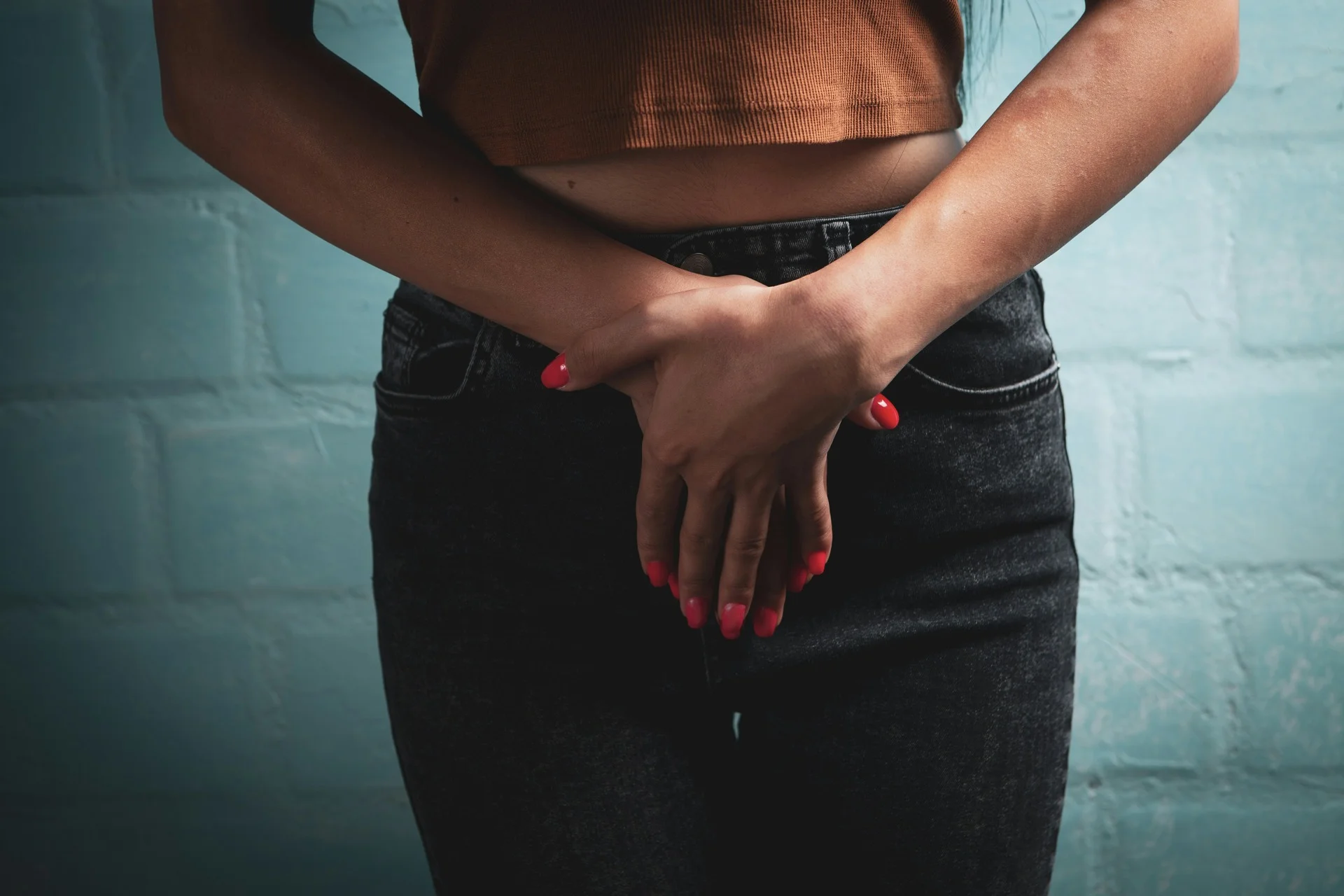
Period pain disrupts the work, sleep and life of millions monthly. If you often deal with this monthly wave of cramps, why not consider massage for relief? It’s a gentle, effective and accessible way to reclaim your comfort during your cycle.

Learning how to massage away menstrual pain involves several techniques.
To prepare, lie down flat on a comfortable spot and place a pillow under your knees to relax your lower back. Rub a small amount of lotion or massage oil into your hands to warm it.
Place both hands flat on your lower abdomen, just above your pubic bone. Slowly move your hands in a large clockwise circle around your navel. Apply gentle pressure, and continue this rhythmic motion for five to 10 minutes. The direction follows your digestive system’s natural path, which also helps ease associated bloating.
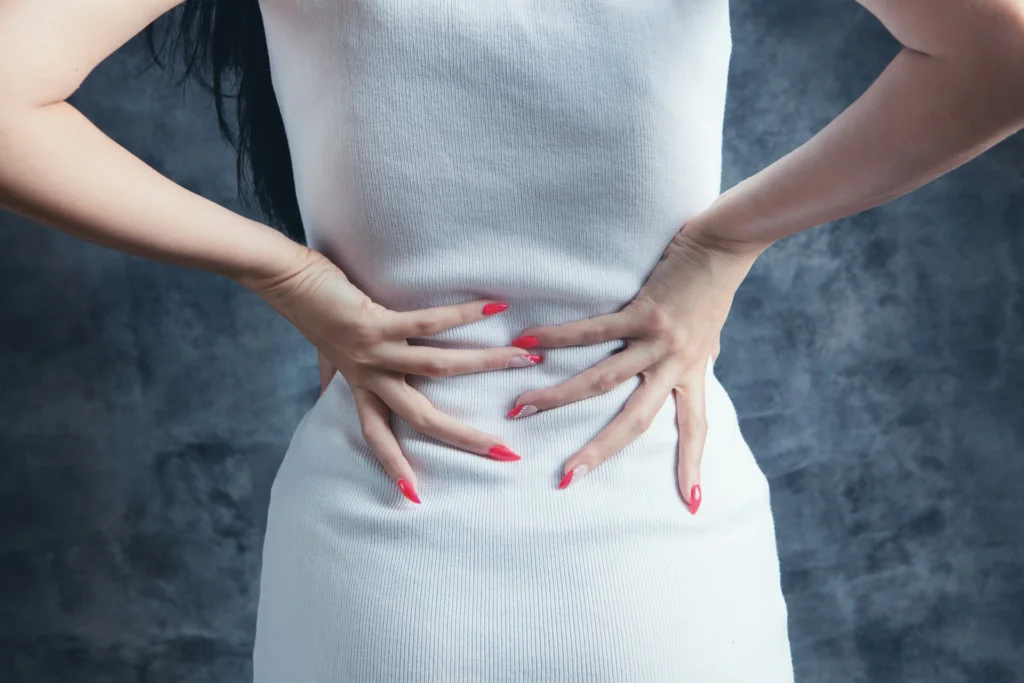
Try this technique if your period pain radiates from your abdomen to your lower back. Lie on your side, then make a fist with your top hand and place it against the fleshy part of your lower back, just to the side of your spine. Apply steady, firm pressure or make small circles. Repeat this on the other side.
For a hands-free option, stand with your back to a wall and place a tennis ball between the wall and your lower back. Bend your knees slightly to roll the ball over any sore or tight spots. Pause to apply steady pressure wherever it feels good.
Acupressure works like acupuncture but without the needles. It involves applying firm pressure to specific points in the body to relieve pain elsewhere. Liya Sandberg, a licensed acupuncturist at the Northwestern Health Sciences University, recommends doing acupressure to the Large Intestine 4 (LI4) and Liver 3 (LV3) points for menstrual pain relief.
LI4 is on the back of your hand, between the base of your thumb and pointer finger, while LV3 is between your second toe and big toe. Apply firm, steady pressure to these points. Hold it for up to a minute while taking slow, deep breaths.
Massage interrupts the prostaglandin pain cycle. Prostaglandins are essential hormone-like compounds that your body releases before and during your period to help the uterus contract and shed its lining. If there’s too much, the higher levels can lead to stronger, more frequent and more painful contractions. This creates a pain feedback loop. The intense contractions reduce blood flow, which in turn causes more pain.
Gentle massage helps soothe the area and relax the muscles, which can let your body know to moderate its inflammatory response. This helps turn down cramp intensity to a more manageable level, breaking the pain cycle. It also restores oxygen-rich blood flow.
When the uterine muscle contracts so intensely, it can press against its own blood vessels, temporarily cutting off oxygen supply. Oxygen-deprived muscles can send out pain signals. The gentle pressure and movement of a massage can physically push out stale, deoxygenated blood from the tissues and encourage fresh, oxygen-rich blood to flow back in. The renewed circulation helps the spasming muscle relax and release its painful grip.
The gentle pressure also calms the nervous system and encourages the release of endorphins, which are your body’s natural morphine.
Learning how to massage away menstrual pain is only the start. You can amplify its benefits by pairing it with other proven, natural solutions. Consider these massage boosters.
Heat is great for muscle relief because it increases circulation and helps tight muscles relax, making them more receptive to the benefits of massage. Think of it as giving your muscles a warm up. You can apply a hot water bottle or heat pad to your lower abdomen. Relax with it for 10 to 15 minutes to let the warmth penetrate and soothe the area before you begin.
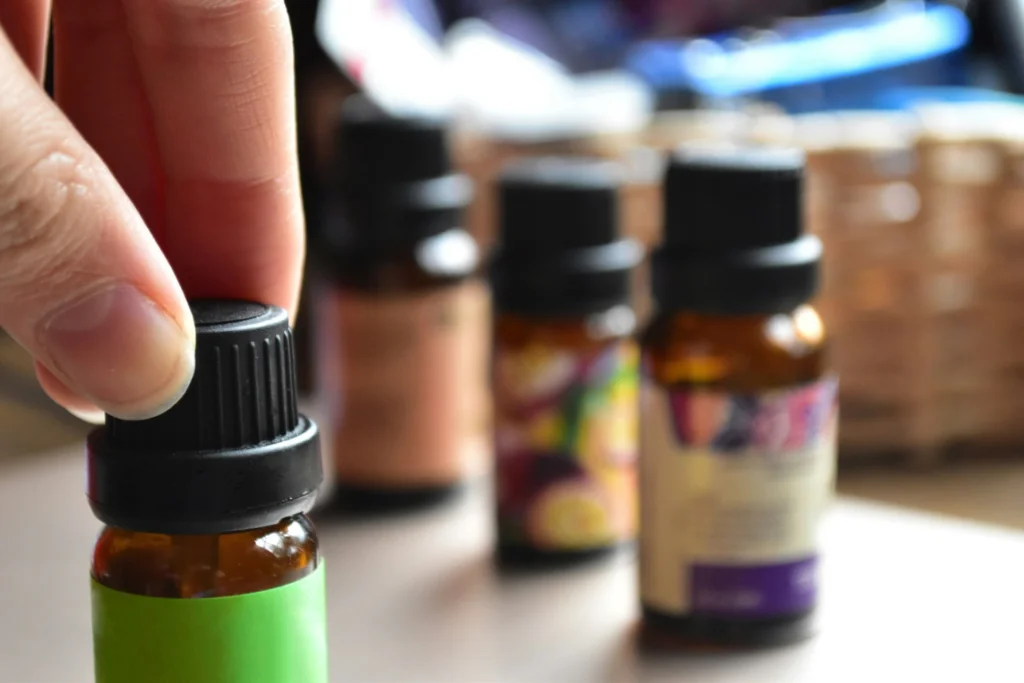
Beyond reducing friction, adding essential oils to your massage brings the power of aromatherapy into your pain relief routine. Consider plant-based oils that contain natural compounds with antispasmodic and anti-inflammatory properties.
While lavender and clary sage oil are classics, emerging research points to other effective options. For example, grapefruit essential oil has been proven to ease menstrual symptoms and premenstrual syndrome. Never apply essential oils directly to your skin without diluting them in a carrier oil, like jojoba and coconut.
Self-care is crucial in managing menstrual cramps, but it’s equally important to know when to seek professional advice. After all, pain is your body’s signal that something is wrong, and you should never dismiss it, especially if it becomes severe.
Schedule an appointment with an obstetrician-gynecologist (ob-gyn) if you have experienced the following:
Depending on your symptoms, the ob-gyn may recommend imaging tests and diagnostic procedures.
Here are the answers to other common questions about period cramps.
There’s no set ideal schedule. The best approach is to listen to your body. Some people find relief from 10- to 15-minute sessions once or twice a day during the most intense days of their period. If it feels good and provides relief, feel free to do it as often as you need.
It’s highly unlikely, provided that you keep it gentle. Menstrual massage should always feel soothing. If you feel any sharp or increasing pain, you might be applying too much pressure. Ease off. Remember that the goal is to coax the muscles to relax, not force them.
They differ in goal, location and pressure. A regular deep tissue massage aims to break up knots in large muscles, while a menstrual massage focuses on the lower abdomen and back. The latter uses slow, rhythmic and gentle strokes to ease bloating and uterine cramps.
Try different types of massage, and figure out what works best for you. Then, enhance it with other natural solutions like heat therapy and aromatherapy. Ultimately, managing period cramps is about building a personalized self-care toolkit. By integrating massage into your routine, you are taking a powerful step toward understanding and caring for your body through every part of your cycle.
Originally published June 5, 2019. Updated June 9, 2026
Your email address will only be used to send you our newsletter, and at any time you may unsubscribe. For more information, see our Privacy Policy.
