
Body + Mind is reader-supported. We may earn an affiliate commission when you buy through some of the links on our site.
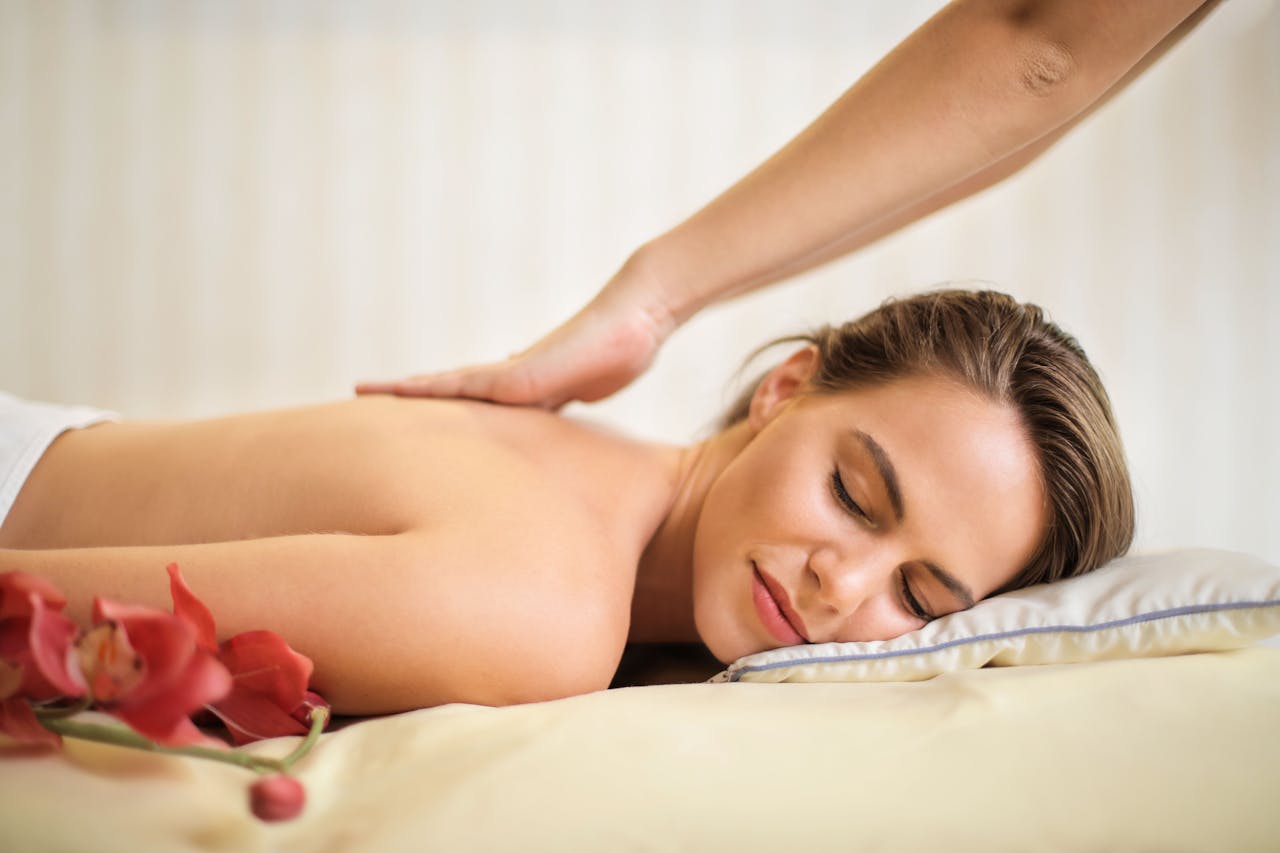
Rest days are about giving your body the tools it needs to come back stronger. One of the most effective — and often overlooked — ways to recover is through massage. Massages help reduce soreness, speed up muscle repair and ease stress. When paired with other recovery strategies, massage can transform downtime into a powerful part of your training plan.
Yes, you can do active recovery on rest days, but with balance. Active recovery means engaging in light, low-impact movement that gets blood flowing without putting your muscles under heavy stress. Think walking, gentle yoga or a leisurely swim.
In contrast, complete rest means avoiding structured activity altogether. Both approaches are important, but active recovery has been shown to ease stiffness, reduce muscle soreness and support circulation. That’s where massage fits in perfectly — it provides the restorative benefits of rest while gently stimulating the muscles, making it easier to bounce back after tough workouts.
Massage directly supports the body’s natural repair systems. By improving blood circulation, massage delivers oxygen and nutrients to muscle fibers, helping tissues recover more efficiently. It also assists in clearing out metabolic waste like lactic acid, which can cause soreness after exercise. Massage can also reduce inflammation and even lower cortisol, the stress hormone that hinders recovery.
Nutrition plays a role in recovery, too. Research shows that vitamin D improves muscle health and reduces inflammation by supporting mineral absorption, meaning athletes with adequate levels often experience less muscle damage during training.
Foods like fatty fish, canned tuna, eggs, cod liver oil and mushrooms are rich in vitamin D. Getting five to 30 minutes of sunlight exposure twice a week also typically provides a sufficient amount of the vitamin. Pairing proper nutrient support with massage makes recovery days even more effective.
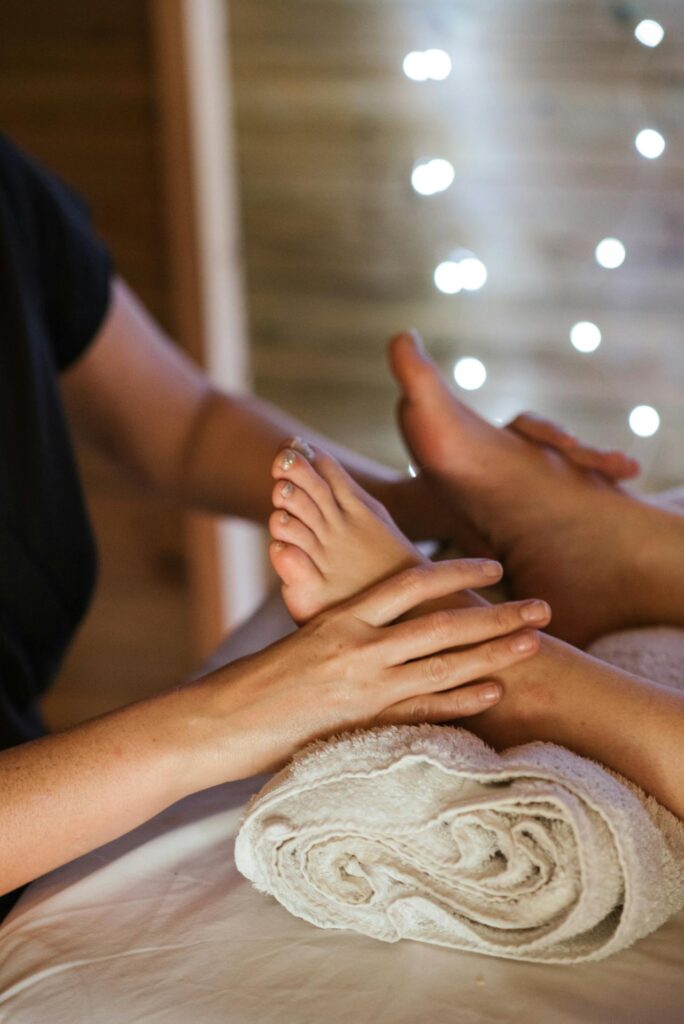
Recovery is as much about your mind as it is about your muscles. Massage activates the parasympathetic nervous system, which helps lower heart rate, reduce stress and promote relaxation. This “rest and digest” state is crucial, especially if you’ve been training hard or juggling a busy lifestyle.
Beyond physical benefits, massage has been linked to improved mood and reduced anxiety. That’s why many athletes and health enthusiasts view it as part of a holistic recovery plan — it helps you recharge mentally while your body restores itself physically.
Different massage methods target different muscle needs. Here are some massage techniques and their benefits:
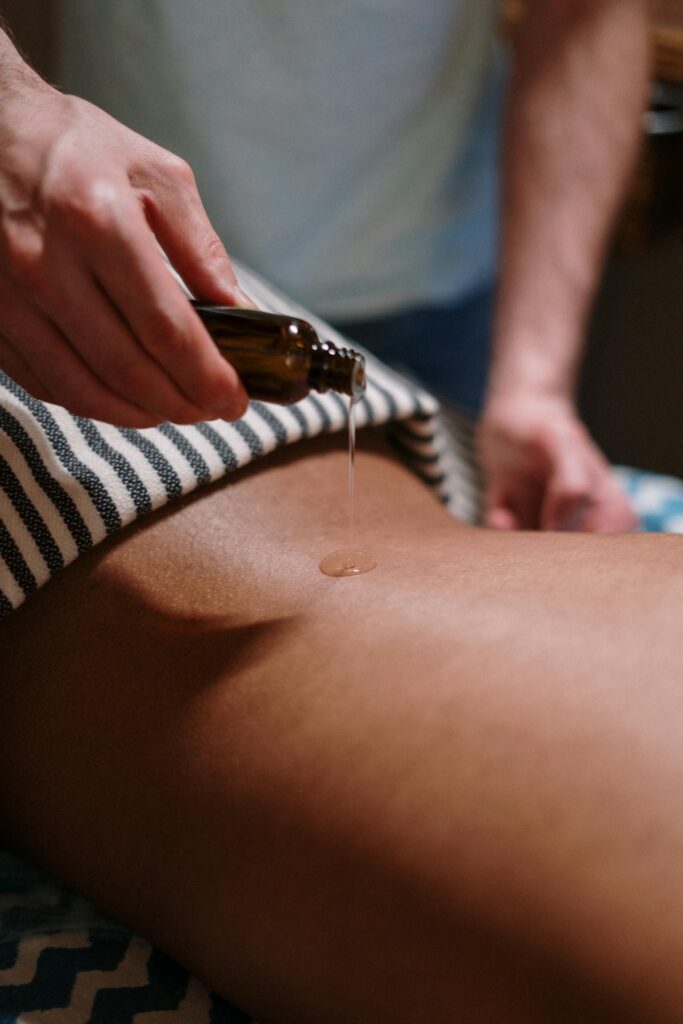
You don’t always need to book a professional appointment. Light self-massage techniques can be effective, especially on rest days. Tools like foam rollers, massage balls or handheld massage devices can mimic professional pressure and deliver relief where you need it most. For example, percussive tools provide targeted vibration and heat to relax sore muscles — ideal for those times when you want recovery on demand.
Knowing when to use massage matters just as much as knowing how. For most people, scheduling a massage after a light active recovery session like walking or yoga helps muscles relax more deeply. Evening sessions can also improve sleep quality, which is another cornerstone of recovery.
There’s no one-size-fits-all rule regarding frequency. Athletes might benefit from two sessions a week, while casual exercisers may only need occasional massages to keep stress at bay. The key is listening to your body. If your muscles feel tender but not painfully sore, massage can enhance relaxation without overloading your system.

Massage shines brightest when it’s part of a bigger recovery picture. Pairing it with foam rolling, stretching or gentle yoga ensures muscles stay pliable and joints remain mobile. Hydration and proper nutrition also play key roles in reducing inflammation and speeding up tissue repair.
Think of recovery as a whole-body practice. A well-rounded approach that combines massage, light movement, stress reduction and mindful self-care supports both physical resilience and mental clarity. Over time, these small, intentional choices add up, helping you recover better and improve your workout performance.
Rest days are less about standing still and more about masterfully moving forward. Massage offers a bridge between activity and rest, giving your muscles the care they need while soothing your mind.
Your email address will only be used to send you our newsletter, and at any time you may unsubscribe. For more information, see our Privacy Policy.
