


Body + Mind is reader-supported. We may earn an affiliate commission when you buy through some of the links on our site.
I started paying closer attention to food as medicine after watching a family member go through breast cancer treatment. What surprised me most wasn’t the treatment itself. It was how much her recovery seemed tied to what she ate between appointments. That experience shaped how I think about eating today and led me down a research rabbit hole I haven’t climbed out of since.
Cancer treatment keeps getting faster, less invasive and more personalized, which changes what your body needs from your food. Research backs up why that shift matters. Colon cancer patients who followed an anti-inflammatory dietary pattern lived longer than those who regularly ate proinflammatory foods.
HER2-positive patients used to sit through a lengthy IV drip for drugs like Herceptin and Perjeta. Now, some patients get the same medication delivered by injection in about five minutes instead of hours hooked to a line. As treatment itself becomes gentler, I’ve come to believe that the food you eat between sessions plays a bigger role in how well your body copes and recovers.
An anti-inflammatory diet isn’t a strict program with rules to memorize. It’s a pattern of eating I lean on that favors whole foods and limits the ones known to trigger inflammation. Here’s how I break it down.
Experts generally recommend fitting one to two servings of anti-inflammatory foods into every meal. I try to build my plate around:
A recent systematic review found that women with breast cancer who followed a Mediterranean-style diet rich in unsaturated fats reported better outcomes and quality of life. That research reinforces why I keep coming back to these same foods.
While some of these foods aren’t entirely harmful, eating them often can work against my goal of calming inflammation. I try to limit:
Once I nailed down what to include and limit, I built a running list of the top 20 anti-inflammatory foods I keep stocked at all times. This list has become my go-to reference whenever I’m restocking the fridge or planning meals for the week.

Some days I don’t have time to cook, so I blend instead. A golden milk smoothie made with coconut milk, turmeric, ginger, cinnamon and nutmeg has become one of my go-to options on busier mornings.
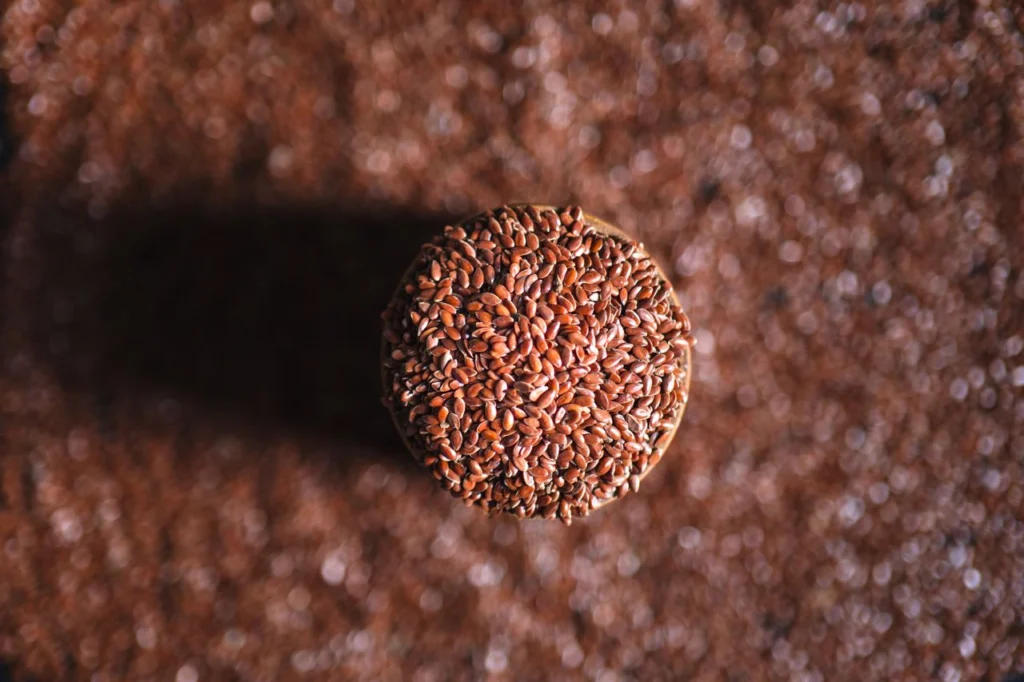
On other days, I lean toward a green smoothie built on spinach, kale, avocado, ginger and pineapple. One detail that stuck with me is that the flax seeds in these recipes also support neurological and cardiovascular health and help ease inflammation. Apples show up often, too, since the pectin in them feeds the good bacteria living in my gut.
When I want to reset my eating habits, I give myself 21 days rather than trying to change everything overnight. A large-scale review of nearly 2.7 million participants linked diets with higher inflammatory potential to increased cancer risk, which is exactly the kind of pattern this reset is designed to break. Breaking the reset into three phases keeps it manageable.
I also have a rotation of soups during a reset like this since they make it easy to pack several anti-inflammatory ingredients into one bowl. Ginger turmeric carrot soup and lentil soup both appear in my meal plan over the next three weeks and travel well as leftovers.
I don’t think of an anti-inflammatory diet as a cure or a replacement for medical care. I think of it as support for a body that’s already working hard, especially during cancer treatment. As treatments themselves become faster and gentler, giving your body the right fuel feels like the other half of the equation.
Whether that means blending a smoothie, simmering a pot of soup or simply choosing berries over dessert, small changes can make a real difference over time.

Your email address will only be used to send you our newsletter, and at any time you may unsubscribe. For more information, see our Privacy Policy.
