
Body + Mind is reader-supported. We may earn an affiliate commission when you buy through some of the links on our site.
Maintaining an exercise routine while living with polycystic ovary syndrome (PCOS) can be difficult. Even if you’re not dealing with intense symptoms, you may not feel up for any strenuous gym trips during the rest of the month. Learning how to make a workout for PCOS could help you become more active with a sustainable routine.
PCOS can change how you exercise in numerous ways. The condition causes many side effects that complicate your daily routine, so give yourself some grace when flare-ups happen.
Overcoming ovarian cysts and dealing with intensified periods is exhausting. You’re also already likely dealing with depression, anxiety and other mental health conditions intensified by PCOS. If you add a challenging gym regimen to the mix, you may feel too exhausted even to start a workout.
Dips and spikes in your blood pressure can cause a roller coaster of feelings. You might get dizzy, lightheaded or struggle to breathe. While you can stick with foods that reduce inflammation to manage your health, PCOS can still complicate your blood pressure when you least expect it. If you’re feeling lightheaded or nauseous, you might not be able to start the workouts you want to do.
PCOS increases your risk of developing multiple conditions such as endometriosis and irritable bowel syndrome. Those can cause discomfort even when you don’t have any active cysts. You should never exercise when you’re dealing with any kind of pain. Aftereffects, like physical aches, may also types the kinds of movements you feel up to doing when the pain subsides.

Creating an exercise routine while living with PCOS doesn’t have to feel impossible. Follow some simple steps to design the right regimen for your body.
Reflect on what you experience every month. Which PCOS symptoms recur between your periods? If you mostly deal with cramping during a specific part of your menstrual cycle, you’ll know to ease your workout intensity during those days or plan for rest periods.
Once you know how your body feels throughout the month, you can make a sustainable workout plan that doesn’t put any extra strain on your body. Try easing into exercising by only doing it a few days a week. You can also change the intensity of your workouts, so your hardest exercises only happen once a week.
Changing your workout movements is essential if you have PCOS. Explore things you might not have tried before, like high-intensity interval training (HIIT) workouts. Creating a HIIT workout for PCOS can improve the inflammatory and cardiovascular effects that cause numerous symptoms.
The most important thing is to avoid straining your body. If you alternate your exercise intensity and how you move — like swapping HIIT routines for walking or running sometimes — you’ll add more flexibility into your schedule to accommodate your body’s needs.
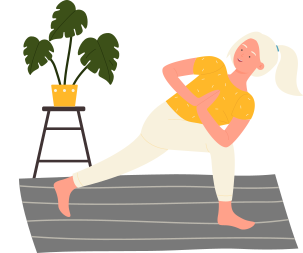
Some PCOS flare-ups are uncomfortable but not debilitating. When your body needs to take it easy, consider if you’d feel comfortable walking or doing yoga in your living room. Having low-impact backup plans for your exercise routine will help you remain active while your body does what it needs to manage your health.
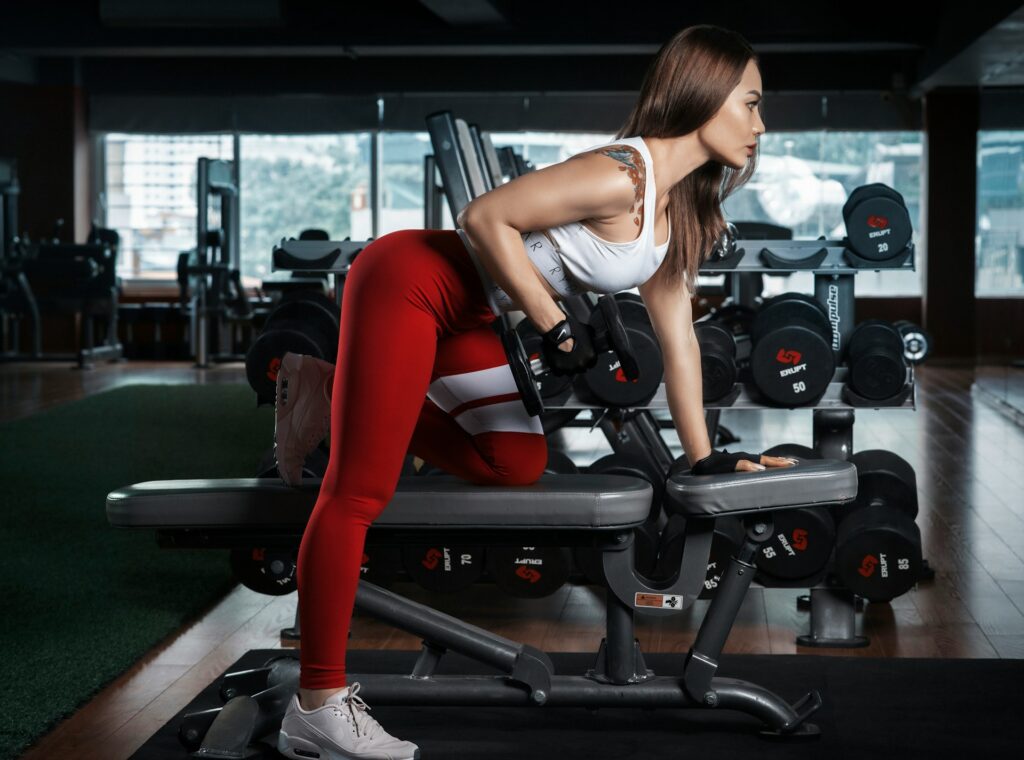
You could create the best PCOS workout for your body and still feel frustrated sometimes. Try not to push yourself too hard. If you want to do HIIT workouts with dumbbells but feel more comfortable with body weight exercises, do what’s best for yourself. Straining your muscles could intensify your stress and potentially cause injuries that prevent you from remaining active.

There are no specific exercises you should avoid if you have PCOS, but there are some guidelines you can follow to create a personalized routine. Try not to overexert yourself and exacerbate the inflammation already present in your body. You can also stick with strategies such as:
Try keeping an exercise journal as you explore new workouts. You’ll know which are the worst exercises for PCOS when you reflect on any specific movements that made your body more uncomfortable than others.
Crafting an excellent workout for PCOS takes time. Diversify your movements, plan for rest days and listen to your body. You’ll gradually make a regimen that helps you achieve your physical fitness goals without straining your health.
There’s no official guideline for how often you should work out with PCOS. The average adult needs at least 150 minutes of moderate activity weekly, so try aiming for that. You can also build up to it if fatigue is one of your most common symptoms.
The best exercise for PCOS weight loss is any diversified movement that doesn’t feel too exhausting. Switch between body weight, dumbbell and cardio movements to nurture your physical health without exhausting your muscles.
HIIT isn’t bad for PCOS if it’s one part of your routine. Listen to your body as you go through HIIT movements. If they feel too intense and cause muscle strain, you can always try a low-impact workout to keep moving without potentially harming your body.
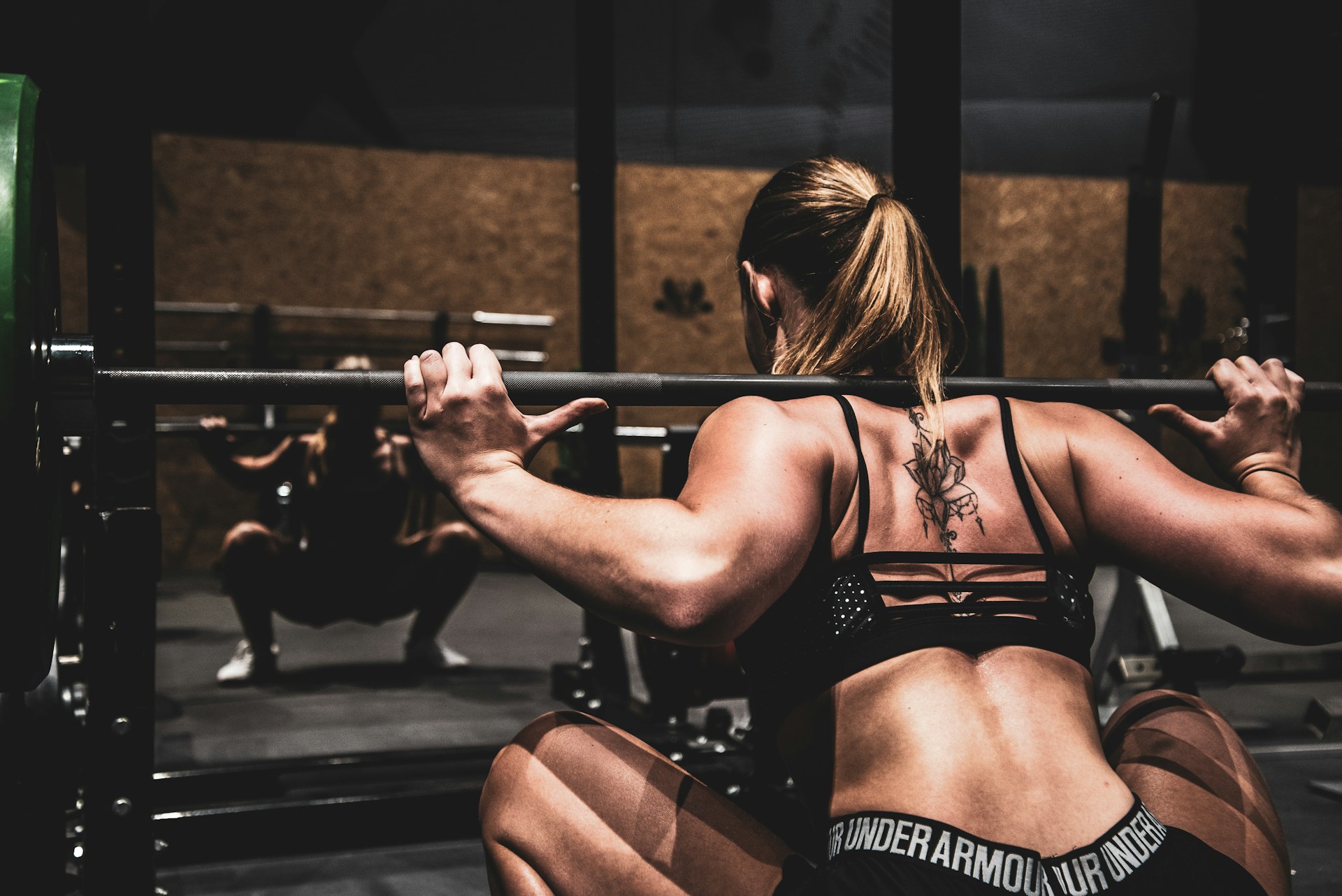
You can do squats with PCOS if you pay attention to your energy and endurance levels. They’re an excellent strength training tool that complements HIIT routines. Try not to start squat reps if you’re feeling dizzy or dehydrated.
The fastest way to lose weight with PCOS is to exercise, eat a healthy diet and avoid straining your body. If your muscles push through intense workouts with minimal recovery time, you won’t see the progress you want because your body will conserve energy to heal itself.
Your email address will only be used to send you our newsletter, and at any time you may unsubscribe. For more information, see our Privacy Policy.
