

Body + Mind is reader-supported. We may earn an affiliate commission when you buy through some of the links on our site.
Protein powder shouldn’t feel like a punishment, and it shouldn’t taste like one either. The problem isn’t usually the protein itself, but rather how you use it. When you stop treating protein powder like the main event and start thinking of it as part of something bigger, the flavor improves immediately. There are plenty of protein powder recipes that are flexible and meant to taste like real food.
You don’t need to consume protein powder on its own for it to be effective. When you add it to foods you already enjoy, it becomes easier to use consistently and far more pleasant overall.
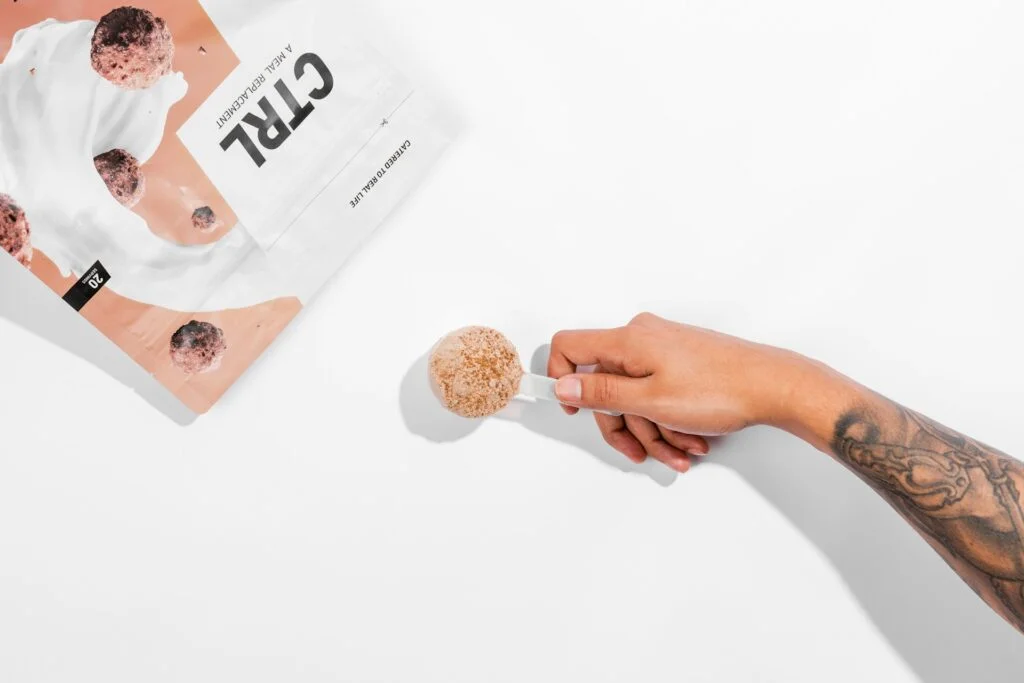
Protein powder doesn’t have to be bland, chalky or something you tolerate just to hit a goal. These protein powder recipes will change your fitness game.
Vanilla protein powder works best when you lean into warmth and creaminess. Pairing it with banana, yogurt and a touch of cinnamon creates a flavor that feels familiar and comforting, almost like a nightly spiced dessert. This banana provides natural sweetness, the yogurt smooths out any chalky texture and the cinnamon helps mask that artificial edge some vanilla powder have.
Oatmeal is one of the easiest places to hide protein powder, but the timing matters. Stirring it in after you’ve cooked the oats helps you avoid that gritty texture. Vanilla or unflavored protein works best here, especially when paired with ingredients that bring warmth and richness, like nut butter, fruit or a drizzle of honey.
Mixing protein powder directly into thick yogurt creates something closer to a mousse than a shake. Chocolate protein starts to taste like pudding, while vanilla becomes a neutral base you can build on. Letting it sit for a few minutes helps the texture smooth out and the flavors settle. This is a great option if you still need to reach your protein goal at the end of the day.
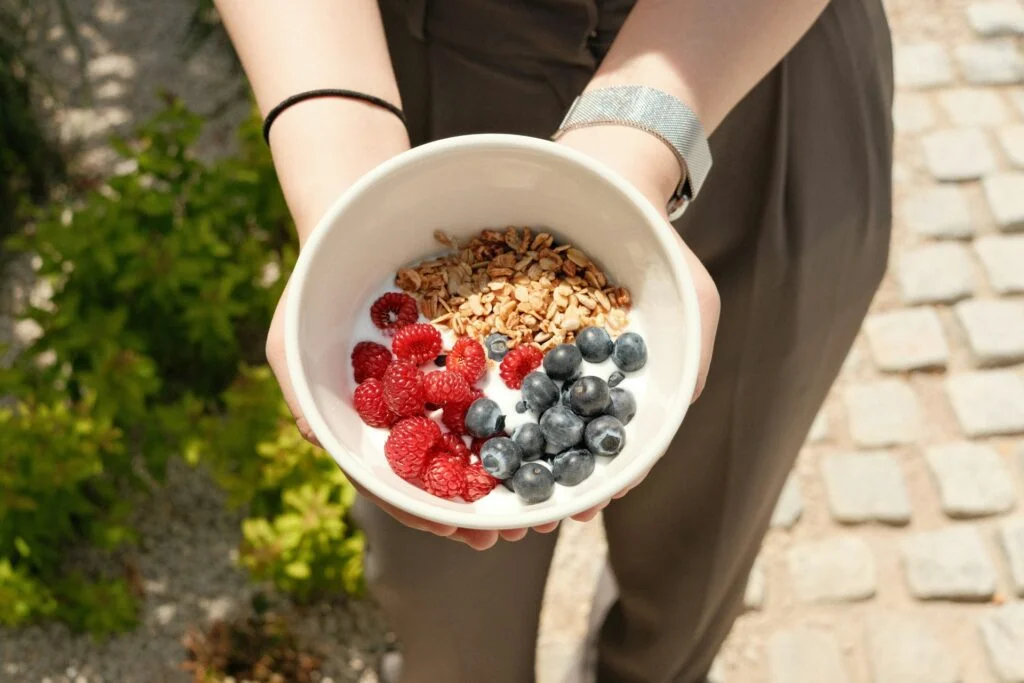
If you want an extra nutrient boost, add your favorite protein powder to a serving of Greek yogurt. Greek yogurt is calcium-rich and high in protein, improving bone density and lowering your risk of osteoporosis.
Protein powder shines in baked or cooked foods when it’s not the main flavor. Adding it to pancake or waffle batter works better because the other ingredients do most of the flavor work. Chocolate protein powders can add richness, while vanilla blends disappear almost entirely when paired with warm toppings like fruit or nut butter. A moderate amount improves nutrition without ruining texture or taste.
Protein powder doesn’t need to compete with coffee. Vanilla, caramel or even chocolate protein powders work surprisingly well in iced coffee drinks, especially when paired with milk or a dairy-free alternative. The bitterness of the coffee balances out the sweetness of the protein, which makes the whole thing taste more natural. If you’re dairy-free or vegan, you can use oat or almond milk instead and substitute the whey for vegan protein. Vegan protein powder omits the whey protein to support your dietary preferences.
Blended frozen fruit with protein powder creates a soft-serve texture that feels like a treat. The cold temperature helps mute any lingering aftertaste, while the fruit provides enough sweetness that you don’t need much else. Vanilla protein disappears easily here, and chocolate turns it into something close to a frozen dessert.
You don’t have to drink protein cold. You can gently heat chocolate protein powder with milk to create a hot chocolate-style drink that feels comforting and intentional. The warmth actually helps soften the sweetness and makes the flavor feel richer. This works well in the evening when a cold shake sounds unappealing but you still want something filling.
Chia seeds already thicken liquids, so adding protein powder actually improves the texture rather than fighting it. Vanilla or lightly sweetened powders work best, especially when paired with fruit or spices. The protein blends in more naturally once the pudding sets, and you avoid that raw protein taste entirely. Plus, chia seeds are a great source of fiber and omega-3 fatty acids. It’s filling and surprisingly indulgent.
Protein powder works surprisingly well in quick, single-serve baked treats. When combined with ingredients like banana, oats or nut butter, it loses that artificial edge and becomes part of the structure instead of the star. Chocolate protein is especially good here because heat deepens the flavor. This is a solid option when you want something warm and sweet without committing to a full dessert.
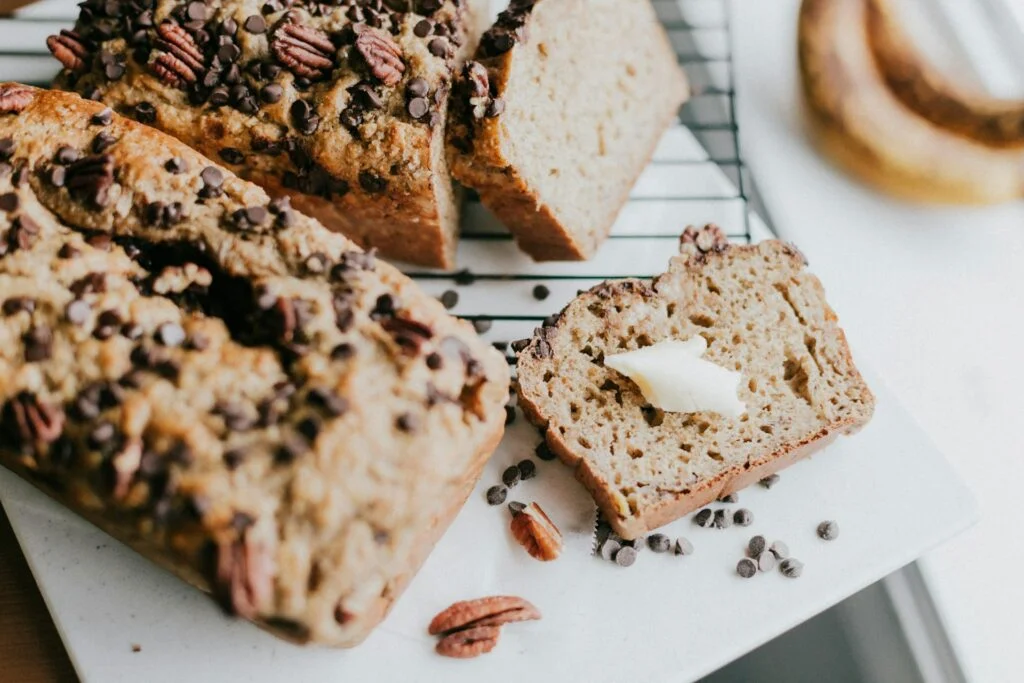
Protein powder blends well into baked goods that already have moisture and sweetness. Banana bread, muffins and loaf-style bakes are especially forgiving because the fruit masks any aftertaste and keeps the texture soft. Vanilla protein disappears easily, while chocolate protein adds richness without tasting artificial.
Homemade bars are one of the most practical uses for protein powder. When combined with grains, nut butters and fruits, the protein blends in naturally. Baked or chilled versions both work, and the result tastes like a real snack, not a supplement.
You read that right. You can mix unflavored protein powder into soups, mashed vegetables and sauces, as long as the dish already has strong savory flavors. Think creamy soups or blended sauces where texture matters more than sweetness. This works well if you’re burned out on sweet protein options entirely.
Protein powder works best when it fits into your routine instead of forcing you to change it. By adding it to foods you already enjoy, you get the benefits of protein without sacrificing flavor or texture.

Your email address will only be used to send you our newsletter, and at any time you may unsubscribe. For more information, see our Privacy Policy.
