
Body + Mind is reader-supported. We may earn an affiliate commission when you buy through some of the links on our site.
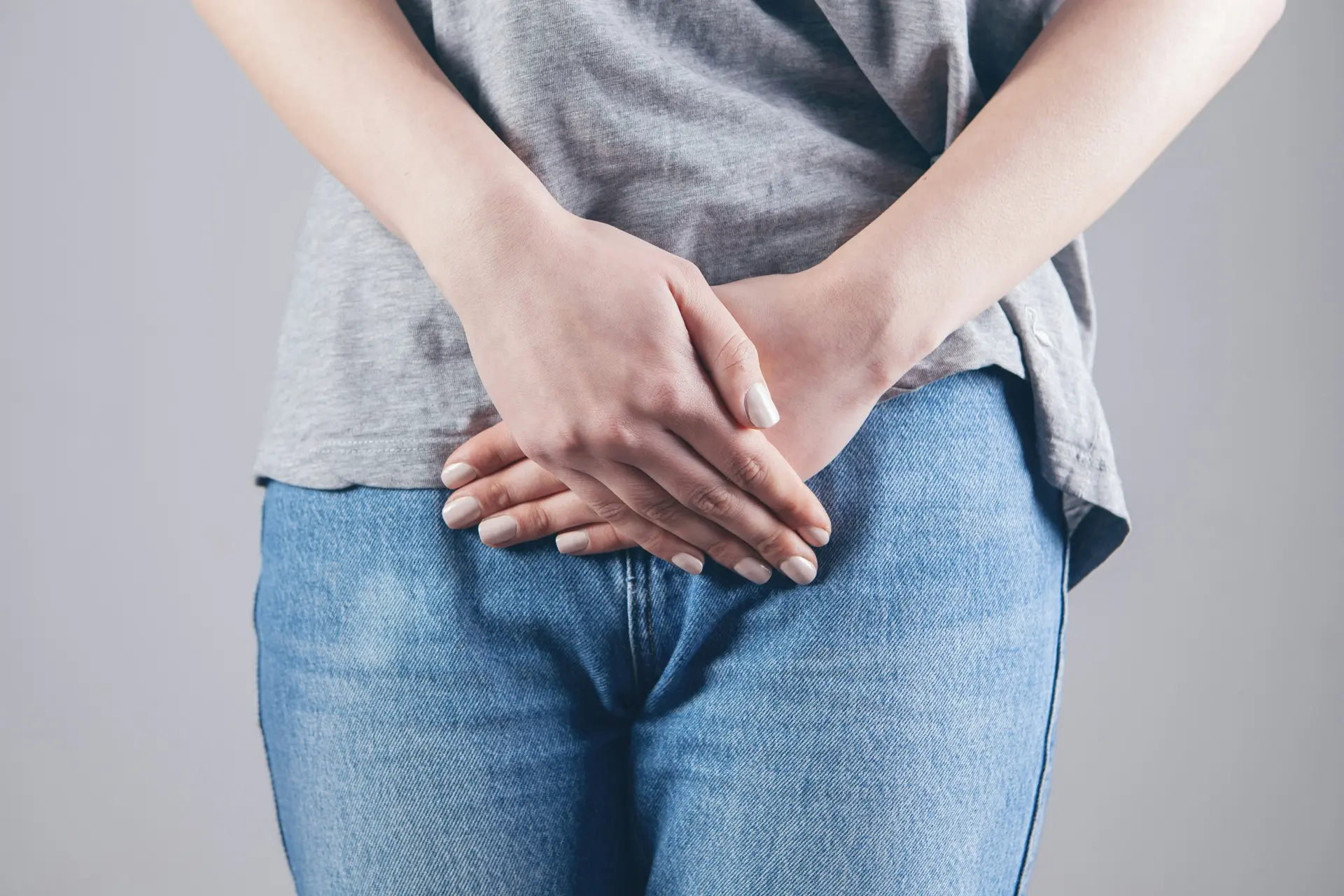
Noticing blood in your underwear a couple of weeks after your period can be alarming. Sometimes, spotting is just your body’s way of adjusting to hormonal changes, life stressors or even normal phases in your cycle. However, that may not always be the case. It’s crucial to know how to determine if there’s nothing to worry about or if it’s time to check in with your doctor.
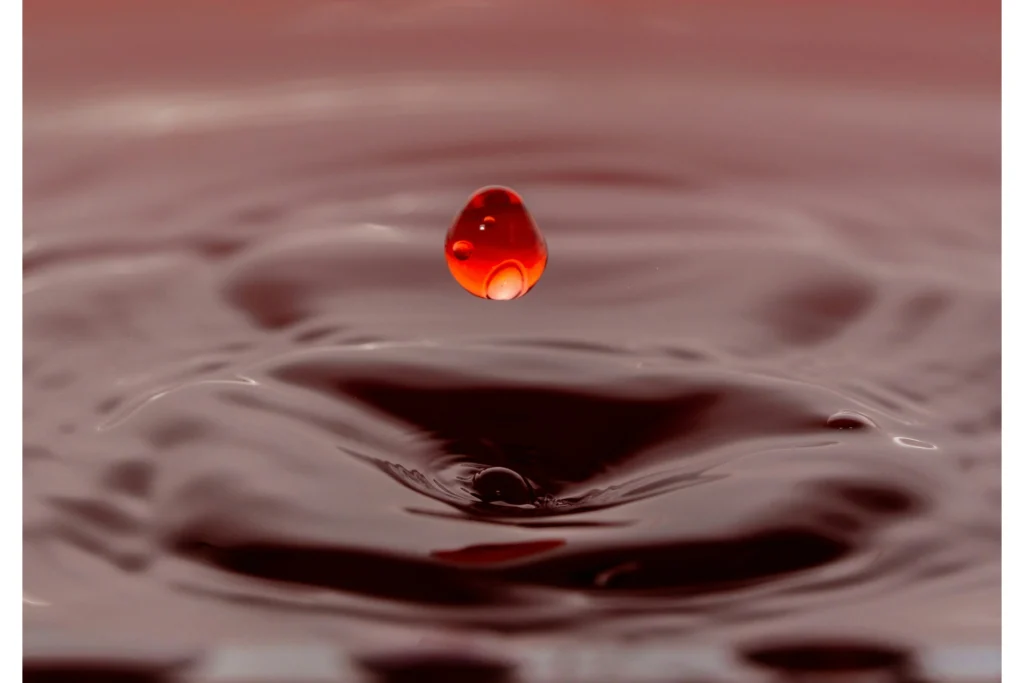
Spotting refers to any vaginal bleeding that happens outside your period and is lighter than your normal menstrual flow. It’s usually just a few drops or streaks of blood, often pink, red, or brown. While a typical period lasts three to seven days, spotting lasts less than a day or two. It can extend for a few days in some cases.
Spotting that starts roughly two weeks after your period often lines up with the middle of your cycle. This isn’t random. The middle of the menstrual cycle is generally when your body gears up for, or experiences, ovulation. Several things can cause spotting during this period, most of which are benign and related to normal hormonal fluctuations.
Ovulation is when your ovary releases an egg. It happens about halfway through your cycle or around 14 days before your next period is due.
Some people experience spotting, known as “ovulation bleeding,” during this phase. The bleeding is often light pink or brown, lasts less than a day, and coincides with other ovulation symptoms, like mild pelvic discomfort or subtle cramping. This type of spotting is natural, healthy, and sometimes a sign of fertility.
As the body ovulates, a rapid hormone shift occurs. Estrogen peaks and then dips, triggering a minor shedding or “leak” from the uterine lining. The follicle releasing the egg can cause a tiny break in blood vessels, which leads to a little bleeding.
The menstrual cycle relies on a careful balance of hormones, especially estrogen and progesterone. Minor or major shifts can cause your uterine lining to destabilize, which can cause spotting between periods.
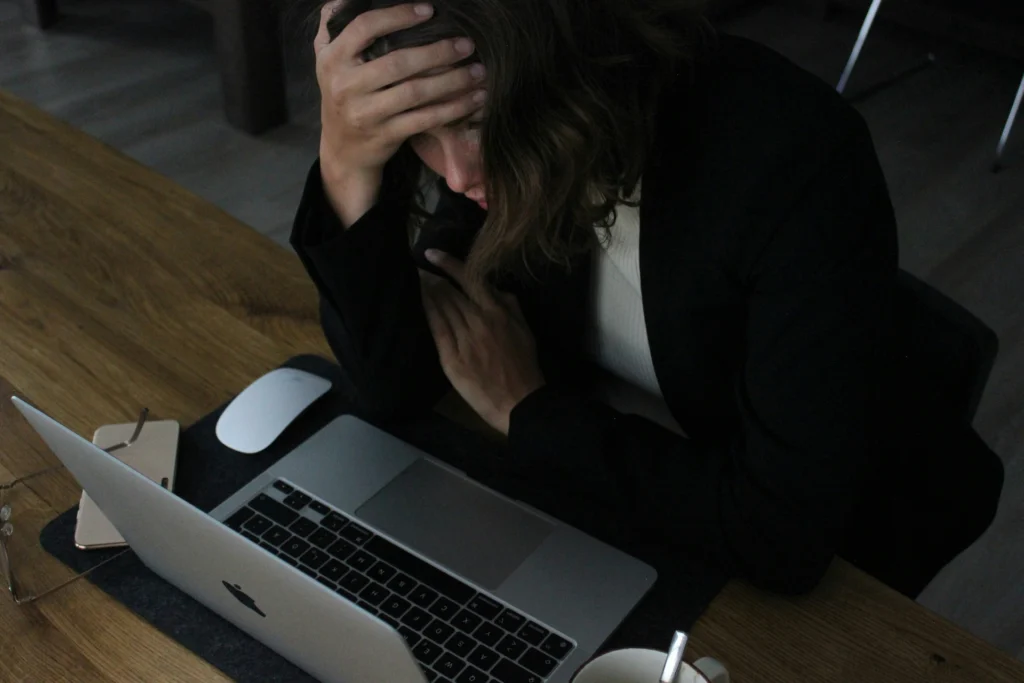
Hormonal fluctuations naturally happen during puberty or early menstruation years, when hormones can fluctuate wildly. They can also occur during perimenopause, which is when the body transitions toward menopause. It’s a period that often brings erratic periods and mid-cycle spotting. Stress, illness, sudden weight or sleep changes can also disrupt hormonal rhythms.
Menstruation starts after the luteal phase, which is when the hormone progesterone peaks to prepare for possible pregnancy. If no fertilization happens, progesterone drops, triggering your period. Sometimes, subtle shifts during this process result in light mid-cycle bleeding.
Most mid-cycle spotting from hormonal fluctuations will sort itself out. It shouldn’t be a cause for concern unless the bleeding becomes frequent, heavy, or is paired with other serious symptoms.
While hormones get most of the attention, your daily habits and emotional load can also contribute to spotting between periods. Mid-cycle bleeding can be your body’s response to lifestyle changes and significant changes or stressors in your routine. Here are some life events and conditions that can throw off your cycle:
For most people, once the stressor is gone or life settles back to normal, their cycle returns to its regular pattern. Treating your vaginal spotting may be as simple as giving yourself a little grace, rest and hydration.
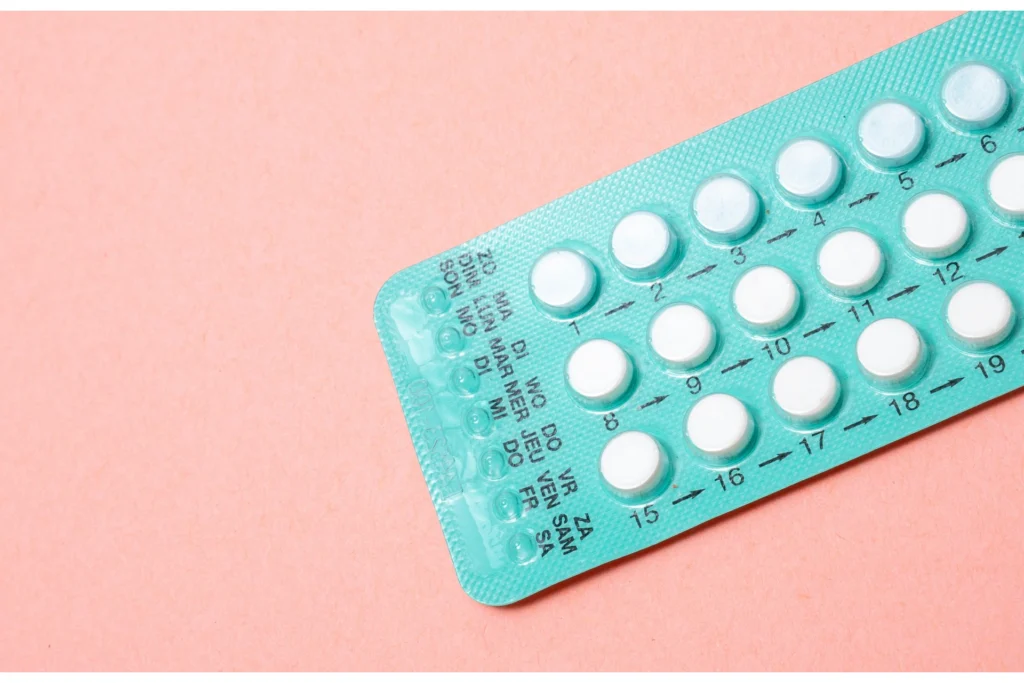
If you’ve recently started, stopped or changed any type of hormonal birth control, mild spotting is one of the most common—and least harmful—side effects. Your body needs time to adapt to new or changing hormone levels, especially during the first few months. Mid-cycle bleeding may occur when you:
These shifts can cause light bleeding between periods as hormone levels fluctuate. The uterine lining thins or adjusts differently depending on your chosen contraceptive. Some women experience spotting in the same part of their cycle month after month, while others may see it randomly until their body regulates.
While most mid-cycle spotting is nothing to worry about, certain situations call for prompt attention from a healthcare professional. Watch out for these red flags:
Most mid-cycle spotting is brief and harmless, but it’s smart to pay attention so you can spot unusual changes. Mark down any days you notice light bleeding in a journal or app. This can help you see patterns and provide valuable information to your doctor if needed. Plus, it’s always better to be cautious. Your provider will never judge you for asking about changes to your period.

While most spotting after your period is hormonal or stress-related, there are additional health reasons you might see unexpected bleeding. These conditions are usually less common but are important to be aware of.
Formerly known as Polycystic Ovary Syndrome (PCOS), PMOS is a complex hormone disorder that affects ovulation and often leads to irregular, missed, or unpredictable periods. Mid-cycle spotting can also happen. PMOS impacts over 170 million women worldwide.
Common signs that may occur with PMOS/PCOS-related spotting:
PMOS/PCOS is manageable. However, it’s worth raising with your provider, especially if you notice other symptoms.
Your thyroid gland produces hormones that help control metabolism and influence the menstrual cycle. When your thyroid is underactive (hypothyroidism) or overactive (hyperthyroidism), your cycle can become erratic, which can lead to spotting between periods.
Hypothyroidism, euthyroidism (normal thyroid function) and other thyroid imbalances have all shown strong links to irregular or abnormal bleeding. Women between 31 and 35 years old are the ones most likely to experience spotting.
Some STIs, like chlamydia or gonorrhea, can cause bleeding outside the regular period schedule. It may happen even when there are no major symptoms.
STIs cause inflammation and irritation in the reproductive tract, which can occasionally make delicate tissues bleed when they shouldn’t. Early on, you may not notice any symptoms at all, or symptoms may only begin a few days to several weeks after exposure.

Make a few small changes in how you track, respond to and talk about your symptoms. Consider these tips to help you be proactive if you notice mid-cycle bleeding:
Harmless shifts in your hormones, lifestyle or routine may be causing your mid-cycle bleeding. Track your cycle, advocate for your health and reach out for support when necessary. Trust your instincts. If something feels off, your voice and well-being matter. Every step you take to pay attention to your body moves you closer to a healthier and more empowered you.

Your email address will only be used to send you our newsletter, and at any time you may unsubscribe. For more information, see our Privacy Policy.
