

Body + Mind is reader-supported. We may earn an affiliate commission when you buy through some of the links on our site.
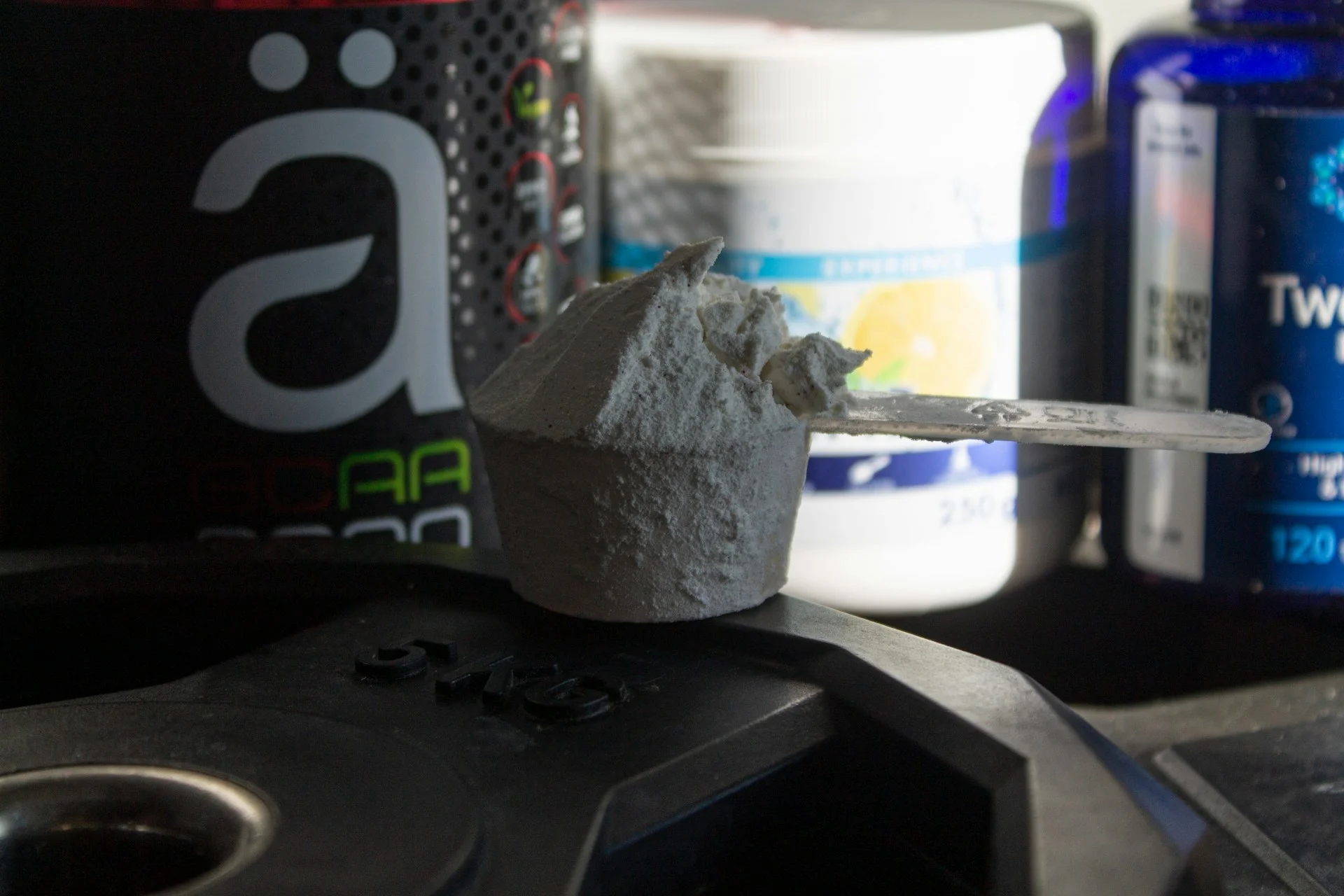
Walk into any gym or scroll through fitness content online, and you’ll see creatine everywhere. It’s one of the most talked-about supplements out there. But with all the hype, it’s only fair to ask if you should take creatine or if it’s just the latest fitness fad.
Creatine isn’t some new, trendy powder that appeared overnight. Your body already produces it naturally, and you get small amounts from foods like red meat and fish.
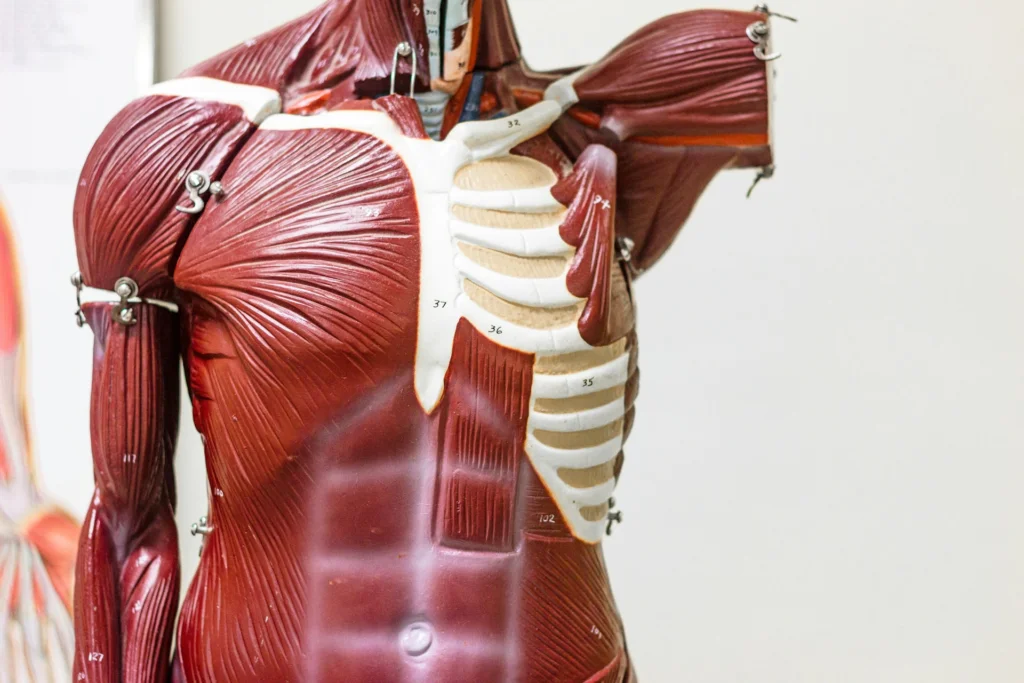
Its main role is to help your muscles produce energy during short bursts of high-intensity activity, especially weightlifting or sprinting. When your muscles have more of this quick energy available, you’re able to train harder and recover a bit faster between sets, which adds up over time. This extra capacity to train harder and recover better leads to stronger workouts, which is where muscle growth actually begins.
Creatine doesn’t directly build muscle on its own, and this is where many people get confused. Muscle growth comes from consistent resistance training combined with proper nutrition, especially enough protein and overall calories. What creatine does is support that entire process by improving your training quality.
When you’re able to lift heavier weights or complete more reps, you increase the total workload your muscles experience. That extra stimulus signals your body to adapt and grow. Over weeks and months, this can translate into more noticeable strength gains and muscle development.
Despite it being one of the most researched supplements available, creatine still gets a lot of skepticism. Much of this comes from outdated information or misunderstandings that continue to circulate online. People often expect extreme results or misunderstand what they’re seeing when they first start using it.
These misconceptions can make it seem overhyped, when it’s really just being misinterpreted.
Creatine works best for people who are already consistent with their training and have clear performance or muscle-building goals. If you’re lifting weights several times a week and following a structured program, it can help you get more out of each session by improving strength, endurance and recovery between sets. Over time, this can lead to progression, which is the key to building muscle.
It’s also worth considering if you follow a diet that’s naturally low in creatine, such as a vegetarian or vegan diet, since you’re not getting much from food sources. In these cases, supplements can make a more noticeable difference. People who feel stuck in a plateau may also benefit, as creatine can give that slight edge needed to push past stalled progress.
However, if your workouts are inconsistent or you’re not prioritizing nutrition, creatine is unlikely to have much impact. It doesn’t replace the basics, and without those in place, the benefits will be minimal. It’s best to view it as something that enhances a solid routine rather than fixing a weak one.

For most healthy individuals, creatine is considered safe when taken in recommended amounts, but it’s still important to understand the potential drawbacks. One of the most common changes people notice is a slight increase in body weight, especially in the first few weeks. This is usually due to water being drawn into the muscle cells, which can actually be beneficial for performance and muscle appearance, but it can feel discouraging if you’re focused on the number on the scale.
Some people may experience mild digestive comfort, particularly if they take higher doses or don’t spread their intake throughout the day. You can usually manage this by sticking to a consistent daily dose and drinking plenty of water. Hydration plays a bigger role than many people realize when taking creatine, as it helps your body handle the increased water movement within the muscle tissue.
There are also concerns around kidney health, although current research shows that creatine is safe for people with healthy kidneys when used as directed. That said, if you have any preexisting medical conditions or are taking medication, it’s always a good idea to check with a health care professional before starting. Being informed and cautious is always better than guessing.
If you decide to take creatine, consistency matters more than anything else. Most people take around three to five grams per day, which is enough to maintain elevated creatine levels in the muscles over time. While some choose to do a loading phase, it’s not necessary and taking a steady daily dose works just as well, just a bit more gradually.
Timing isn’t as critical as you may think, so you can take it whenever it best fits into your routine. Some prefer taking it after a workout, while others simply add it to their daily routine with a meal or shake. The key is to take it regularly and pair it with a structured training program and a balanced diet for the best results.
Creatine isn’t flashy, nor does it promise overnight results, but that’s exactly why it stands out. It works quietly, helping you get more out of the effort you’re already putting in. Over time, that small edge can make a big difference in your strength and muscle growth, which is why it continues to be a staple in so many fitness routines.

Yes, you can. Creatine can help improve strength and performance early on, which may support faster progress. Just make sure you focus on proper form, consistency and nutrition first, since those matter more than any supplement.
You can, but it’s not a fat loss supplement. Creatine may help you maintain strength while dieting, which supports muscle retention. Just be aware that the scale might go up slightly due to water in your muscles.
It may still help, but the benefits are smaller. Creatine works best with higher intensity training like resistance workouts. If your workouts are mostly light or cardio-focused, you may not notice a big difference.

Your email address will only be used to send you our newsletter, and at any time you may unsubscribe. For more information, see our Privacy Policy.
