

Body + Mind is reader-supported. We may earn an affiliate commission when you buy through some of the links on our site.
Your health and wellness are vital factors in your overall quality of life, especially when you’re in your 30s and you’re knocking on the door of midlife. I used to assume that by eating well, sleeping enough and exercising daily, I would have zero health concerns. However, while those habits can improve your well-being, there may still be some underlying problems you need to consider and health screenings to be aware of.
Health screenings are most effective when you’re following a regular schedule. Generally, they should be done one to three years apart if you’re in good health. However, the number and type may vary depending on your current state of health and priorities.
The general process of booking one is to find a health provider that performs the services you need. Some allow you to book an appointment online. Personally, I prefer visiting and scheduling in person, as it also gives me a feel of how near it is and what the ambience is like in the clinic.
Going through health screenings by age 30 is critical in identifying diseases, risks and other conditions that you may not have been aware of. I used to think that I was physically and mentally well, but further visits made me realize that I tend to just cope with certain symptoms because I thought they were normal.
For instance, I used to feel tired after eating and thought that everyone just went through the same thing. However, it turns out that it was because of hormonal changes and stress.
Earlier detection of symptoms means mitigating and treating the disease before it has time to spread further. Plus, people who maintain regular appointments with their primary care doctors are less likely to have ER visits, which can ease financial burdens in the long run.
What parts you should get checked can vary depending on your stage of life. Here are the recommended health screenings for people aged 30 and beyond.
Pap tests and HPV tests both assess the cervix — the former looks for signs of cancer and precancer. Meanwhile, the latter checks the cells for any traces of HPV, a sexually transmitted infection that can also lead to cancer. People between 30 and 65 should take these tests together every five years or so.
A blood pressure test measures the pressure in the arteries when the heart pumps blood throughout the body. Some women may discover that they have low blood pressure, which may cause dizziness and fainting. Meanwhile, others may uncover high blood pressure, which increases the risk of heart attacks.
A cholesterol check helps track the kind of fats in your blood, usually performed by taking a blood sample. While it is a necessary substance to build up hormones, excess fat can overwork your liver or make it even harder to remove it all. This type of blockage could cause heart attacks, a stroke or peripheral artery disease.
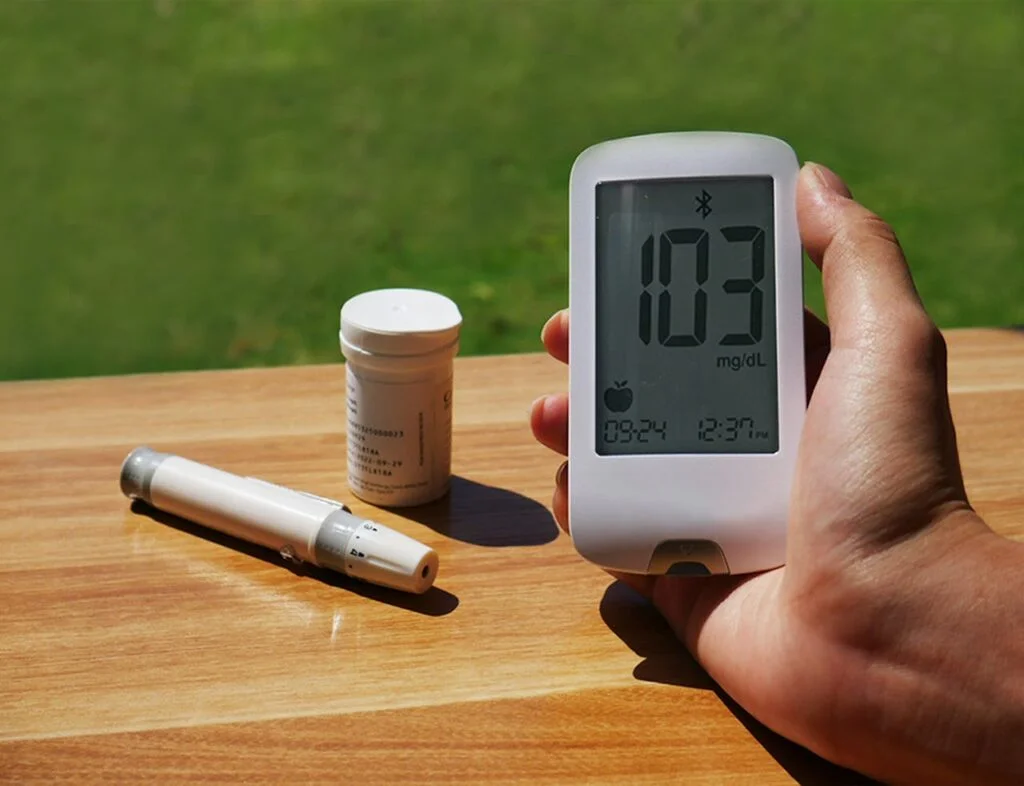
A blood sugar test also requires a blood sample, but it measures the amount of glucose in your body. It’s important to keep tabs on these in case of diseases like diabetes, which is indicated by high glucose levels. That said, it is possible to have low blood glucose levels, which can affect your brain and kidney health.
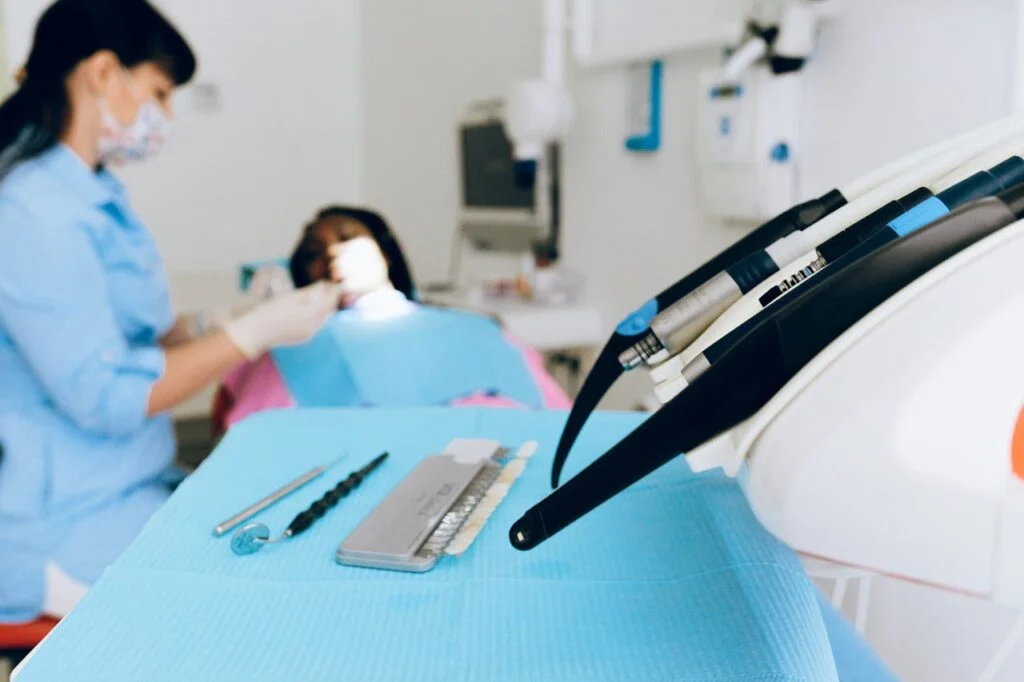
Even if your teeth don’t hurt, it’s important to visit a dentist. Routine dental checkups should be done once every year to spot early signs of dental problems. You should also have regular teeth cleanings to ensure that your pearly whites are in good condition.
It’s vital to check for early signs of breast cancer. That said, only women with a lifetime risk of 20% and more should get a breast MRI and mammogram every year, according to the American Cancer Society. I also occasionally look out for symptoms such as sudden lumps in my breast when bathing or dressing. That way, I can report those changes to a health care provider.
During your 30s, you tend to go through many changes that throw hurdles at you mentally and emotionally. Some mental health problems are more common in women than in men due to more frequent hormonal changes from periods, pregnancy or menopause. Speak with a therapist to help manage your symptoms.

Some health screenings by age 30 are optional, depending on your lifestyle. For example, allergen testing was a must when I thought of getting a new pet and wanted to confirm that its fur wasn’t going to trigger reactions. Here are several suggestions you can add to the list:
It’s better to be safe than sorry when it comes to your well-being. Undergo these routine health screenings by age 30 and try to keep up your attendance until your 40s, 50s and beyond. You can mitigate any symptoms early on and improve your quality of life.

Your email address will only be used to send you our newsletter, and at any time you may unsubscribe. For more information, see our Privacy Policy.
