
Body + Mind is reader-supported. We may earn an affiliate commission when you buy through some of the links on our site.
It’s been a long day. Work is finally over. Time to go home and slump in front of the TV before doing it all over again tomorrow? Not necessarily. Some people manage to pack a huge amount into their free time. How do they do it? Should you do it too? Is it even possible? If you want to get more productive after work, here’s what you need to know.
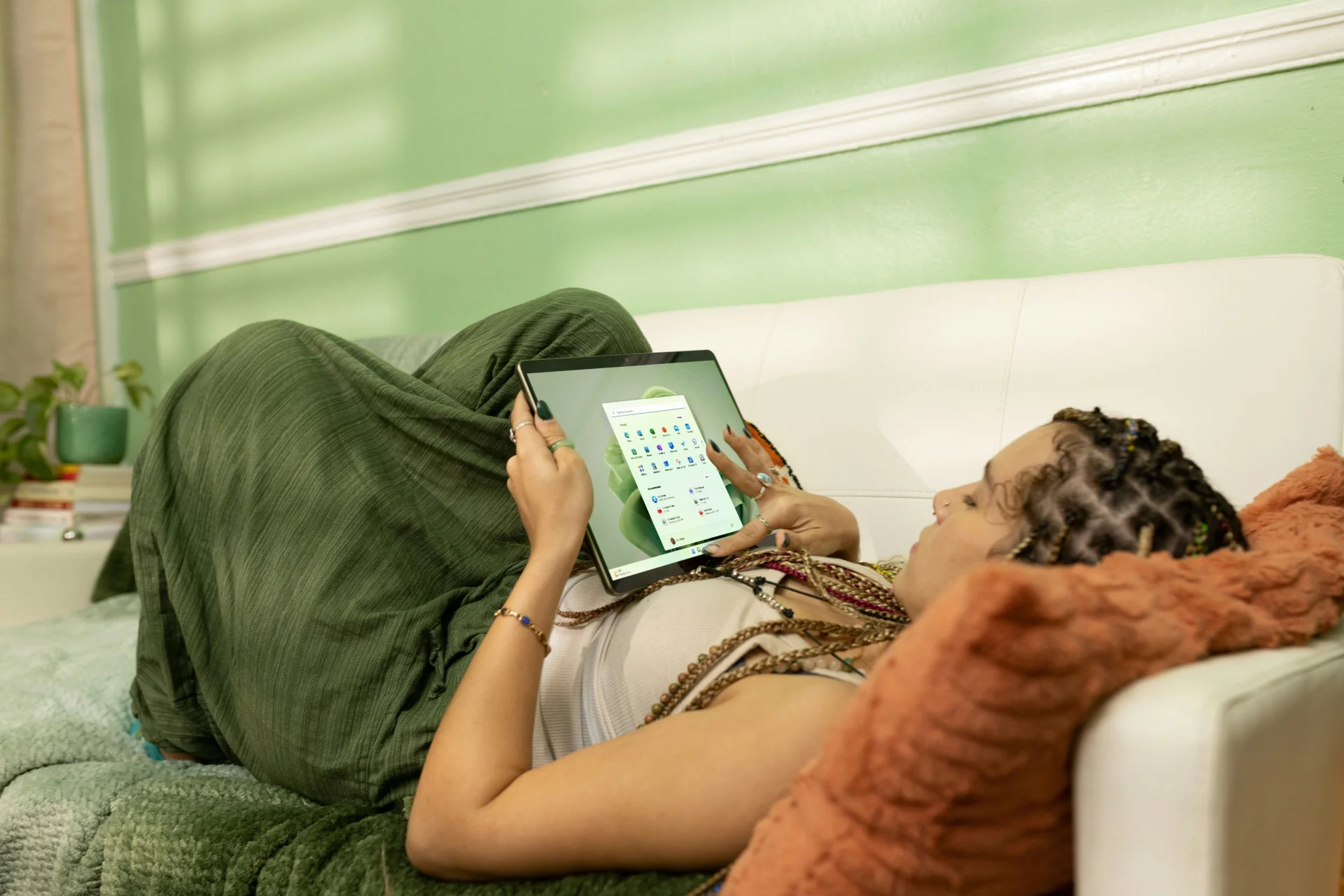
Everyone knows the feeling of being too drained after work to do anything other than doomscrolling or Netflix binges. And that’s absolutely fine — if that’s what you consciously choose to do. Because the key point is choice and intention. Post-work productivity isn’t about hustle and “getting things done”. It’s about intentional growth, self-care and enjoyment — and sometimes, that includes a choice to simply chill out.
Beware of feeling pressured to be productive at all times — that’s a toxic mindset that will just leave you exhausted and resentful. With that said, if you wish you could do more with your leisure time, then that’s a positive choice to make too.
With that in mind, if you have made a healthy choice to make the best use of your free time, why does it feel so hard?
To achieve something you want to do, the motivation to do it must be greater than the friction — the things that prevent you from doing it, or make it harder to get started. This is a concept neuroscientists call limbic friction, and it’s why starting new habits and making them stick can be so hard.
For example, say you want to start running several times a week after work. When you first try, your good intentions may dissolve because you can’t find your running shoes, your water bottle needs washing, it’s raining, your best friend wants to chat — or any other “reason” that lessens your desire to get started. These barriers are real, not excuses.
Neuroscience shows that your brain is fundamentally wired to make decisions about an activity by weighing the anticipated reward against the perceived effort of doing it. That’s why reducing friction is so essential.
To get started on any new habit, including being productive after work, it’s important to reduce the friction. To do this, you can create nudges that better guide your choices, leading to new habits:
Here are three concrete science-backed strategies you can use to improve your post-work productivity, no matter what your end goal is.

Establish a mental break between work-you and home-you. You can do this by having a quick drill as soon as you get home. Change your clothes, put your work-related items away, drink a glass of water and breathe.
To shift your focus, choose an intentional activity that is the opposite of your work tasks. If you have a mentally draining job, do something physical like a five-minute walk. If you have a physically demanding job, do something intellectual, like a puzzle or reading a chapter from a book. The idea is to tell your brain that work is over and now it’s time for you and your own goals.
The best way to be productive after work depends entirely on what you want to achieve. Common goals are physical wellness, such as exercise, or personal development, such as learning a new language or skill. Many people would also like to develop creativity. Here’s how to reduce friction so that you can get productive in these different areas.
TikTok’s monthly curriculum trend is based on the concept of leisure crafting — the idea that proactively and intentionally structuring your free time can help you reach your goals. It’s not the only way to structure post-work productivity, but it’s a good place to start while you are trying to make this new habit stick.
Creating a monthly curriculum involves creating “units” based on your goals and topics of interest. For example, if your goal is to read more widely, you might set units like this:
Having set your units, each evening, you can choose to work on something small toward one or more of them.
This gives you a structure, rather than flailing around wondering what to do. It also makes it easy to track your progress as you can tick things off as you complete them, giving a huge sense of satisfaction.
How to be productive after work isn’t about adding yet more chores to your day. It’s about intentionally carving out time for activities that fulfill you and help you grow. The easiest way to start is to pick just one small thing you want to do for yourself tomorrow evening and take one minute to make it easier to start — lay out your book, put your running shoes by the door or pull up that recipe.
Once you have started, you can use these strategies to create a lasting habit. Reclaim your evenings for your own well-being. Every small step is a victory.
Your email address will only be used to send you our newsletter, and at any time you may unsubscribe. For more information, see our Privacy Policy.
